
 0
0
 0
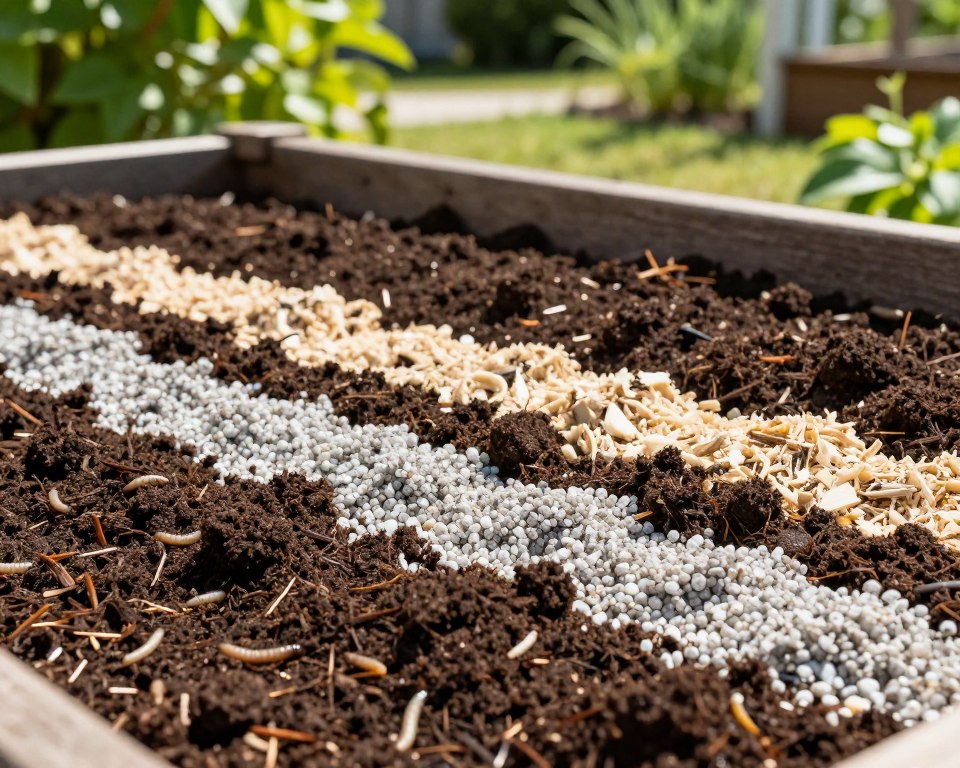
0 The Best Soil Mix for Raised Garden Beds in Florida must hold water during sudden downpours and still feel light in midday heat.
Picture warm air, quick summer storms, and a tomato plant rooting through cool, crumbly material that drains fast after a storm.
Practical goal: build a mix that drains in heavy rain, stays airy under intense sun, and holds enough moisture for steady growth.
One year of tests showed clear differences: Mel’s Mix gave Roma tomatoes about 7 lbs per plant, Joe Lamp’l’s recipe yielded 5.3 lbs, and a bagged blend managed only 1.34 lbs.
This introduction previews a reliable approach: a compost + topsoil base tuned for drainage and pH, plus steps to calculate volume, avoid compaction when filling beds, and troubleshoot fast.
Start with ingredient roles, see proven blends like Mel’s Mix and Joe Lamp’l’s recipe, and learn how to sidestep common bagged-soil problems. For watering cadence and how storms change needs, review practical timing at how long to water grass in.
Key Takeaways
- Design goal: balance drainage, aeration, and moisture retention to suit Florida weather.
- Mel’s Mix performed best in yield, but quality of ingredients matters more than any single recipe.
- Use a compost + topsoil base, adjust pH, and add coarse material for faster drainage.
- Know how to calculate volume and fill beds to avoid compaction and root stress.
- Avoid low-grade bagged blends; they often compress and strip nutrients quickly.
- Maintain fertility with regular compost top-dresses and simple troubleshooting steps.
Florida raised bed soil basics that affect growth
Florida weather stresses mixes two ways: sudden storms can saturate a bed, while heat dries the surface. Both change how roots access water and air.
Why heavy rain and heat change how mixes behave
Intense downpours can fill pore spaces with water fast. When that happens, oxygen becomes the limiting factor for roots.
Heat dries the top layer quickly, but lower layers stay wet if the blend compacts. That swing can stress plants and slow growth.
Drainage, compaction, and root oxygen
Compaction means particles press together, cutting off tiny air pockets in the ground. Compacted bed soil has poor root spread, slower growth, and more disease pressure.
Action: add coarse material or organic matter to keep channels open so water moves through without removing all moisture.
pH range expectations and why it matters for vegetables
Most vegetables prefer slightly acidic to near neutral pH. Examples: a peat-heavy mix can test ~5.6, a balanced topsoil/compost blend ~6.8, and some bagged mixes test ~7.5.
- Keep pH near 6.0–7.0 for most crops.
- Tomatoes often struggle above neutral pH.
| Mix type | Typical pH | Drainage | Compaction risk | Nutrients |
|---|---|---|---|---|
| Peat-heavy (Mel’s) | 5.6 | Fast | Low | High |
| Topsoil + compost | 6.8 | Moderate | Moderate | Balanced |
| Bagged blend | 7.5 | Poor | High (clay) | Variable |
What to aim for in raised bed soil
Aim for a mix that stays loose and crumbly after heavy rain but still holds moisture near root zones. The goal is clear: balance structure, available nutrients, and permeability so plants spend more time growing and less time recovering from stress.
A balance of structure, nutrients, and permeability
Target feel: crumbly, easy to dig, drains after rain, and won’t collapse into a hard mass.
Permeability means water moves through the medium while roots still find moisture. Poor structure can trap water and cut oxygen off to roots even when nutrients are present.
Why “alive” organic matter and diversity matter
Diverse compost sources support a wider range of microbes and steady nutrient release. Single-source or low-grade compost often shows the biggest difference in results and recurring issues.
“Alive” organic matter is finished compost that hosts beneficial microbes, not fresh woody debris that still ties up nitrogen.
- Practical outcomes: stronger stems, steadier growth, fewer stress signs, and better yields over the season.
| Feature | Benefit | Sign to watch |
|---|---|---|
| Structure | Root spread and aeration | Waterlogged roots |
| Organic matter | Nutrient cycling | Slow growth from poor compost |
| Permeability | Storm resilience | Surface crusting |
Choose ingredients that match your bed and your budget
Choose ingredients that match your bed size, climate stress, and budget before you buy a single load.
Compost as the nutrient engine
Compost supplies steady nutrients and microbes. Mix sources—garden compost, worm castings, or composted manure—to balance nitrogen and minerals.
Blends with diverse compost perform more consistently than single-source loads.
Topsoil adds body and long-term support
Topsoil gives structural mass so the bed resists settling and collapse after months of watering or storms.
Choose loamy topsoil; avoid clay-heavy loads that hold water and restrict roots.
Peat moss, perlite, vermiculite: role summary
- Peat moss improves texture and drainage but needs steady watering to avoid uneven drying.
- Perlite creates air pockets and speeds drainage to protect roots during wet periods.
- Vermiculite holds moisture near roots; useful in small beds but can raise costs in large fills.
Native soil: help or hindrance?
Adding a small share of native soil adds minerals and microbes. Too much can make the mix sandy, compacting, or full of weed seeds.
| Ingredient | Primary role | When to use |
|---|---|---|
| Compost | Nutrients, microbes | Main fill or top-dress; mix varieties |
| Topsoil | Structure, body | Large beds; lowers cost in bulk |
| Peat moss | Texture, drainage | Improve lightness; water regularly |
| Perlite / Vermiculite | Air space / moisture retention | Use sparingly to adjust texture |
Best soil for florida raised beds: the most reliable base blend
Start with a practical base that balances bulk and biology to support plants all season. A straightforward approach reduces maintenance and helps crops resist heavy rain and heat.
Main fill: roughly half compost and half topsoil
Default formula: use a roughly 50/50 compost and topsoil mix as the main fill. Compost feeds microbes and plants, while topsoil gives structure so the bed holds shape over time.
Bottom-fill with sticks, logs, and leaves
Place branches, logs, and dry leaves in a shallow base layer. This saves bulk material and creates slow-release organic matter as wood breaks down.
Layering versus full mixing
Layering alternating compost and topsoil works nearly as well as fully mixing. Water each layer to settle and reduce air pockets.
- Expect settling: wood decomposes, and the level will drop over time. Plan to top off after a season.
- Buy bulk if possible: it lowers cost for larger beds and gives consistent texture.
| Component | Role | When to use |
|---|---|---|
| Compost | Nutrients, microbes | Main fill or top-dress |
| Topsoil | Structure, bulk | Large fills to reduce cost |
| Branches & leaves | Long-term organic matter | Bottom layer to save volume |
Mel’s Mix for raised beds and how it performs in wet weather
Mel’s Mix is a peat-forward option prized for keeping beds light and fast-draining during heavy storms.
Recipe and scaling
Exact formula: equal parts peat moss, vermiculite, and compost.
To scale, measure the bed volume in cubic feet, then divide by three. Mix each component to match that share before filling.
Performance in wet weather
Real-world notes: in a wet year this mix stayed airy and did not waterlog. Roots kept access to oxygen and plants recovered faster after storms. One controlled test yielded about 7 lbs of Roma tomatoes per plant.
pH, cost, and watering
Soil test showed pH ~5.6, which reflects peat-heavy media. Monitor pH for sensitive crops and adjust as needed.
The main tradeoff is cost: ingredients are pricier, especially for larger raised beds. Also, peat can dry unevenly; consistent watering prevents patches of dry material during hot spells.
| Component | Ratio | Role |
|---|---|---|
| Peat moss | 1/3 | Texture, acidity |
| Vermiculite | 1/3 | Moisture retention, aeration |
| Compost | 1/3 | Nutrients, biology |
Joe Lamp’l “Perfect Soil Recipe” and how to adapt it for Florida
The core formula is easy to scale and clear in role: use 50% topsoil, 30% compost, and 20% additional organic matter.
The recipe and examples of extra organics
Recipe: 50% topsoil, 30% compost, 20% other organic matter.
- Other organic matter: finished compost, worm castings, composted manure.
- These add nutrients and help hold moisture near roots without collapsing structure.
Why topsoil choice matters
When a load has high clay content it can compact during long storms. In one test, clay-heavy river-bottom topsoil packed down, cut drainage, and slowed tomato growth until things dried.
The same mix with loamy topsoil and pH around 6.8 performed much better as a middle range for many vegetables.
Practical adaptation steps
- Pick loamy topsoil that crumbles when wet, not sticky clods.
- If topsoil seems dense, raise the share of airy compost or add perlite to boost root oxygen.
- Run a simple soil test to confirm pH and adjust before planting.
| Issue | Adjustment | Result |
|---|---|---|
| Clay-heavy topsoil | Add perlite and extra compost | Improved drainage and root oxygen |
| Loamy topsoil | Use recipe as written | Balanced structure and steady growth |
| High pH concern | Re-test and amend | Better nutrient uptake for tomatoes |
Bagged raised bed soil and garden soil: what to watch out for
Bagged mixes can be convenient—they look dark, come in neat bags, and are easy to carry. Still, many underperform once vegetables demand steady feeding and oxygen at the roots.
Why attractive bags sometimes fail
Some bagged garden soil contains visible woody chunks or bark. As that material breaks down, microbes use available nitrogen to decompose it. The result: yellowing leaves and stunted growth, as was seen where tomatoes averaged about 1.34 lbs per plant.
High pH and uneven micronutrients
A lab test showed one mix at pH 7.5. That level can lock out iron and other micronutrients for sensitive crops like tomatoes. Tests may show some nutrients “high,” but plants still suffer when pH or missing biology limits uptake.
When bagged products still make sense
- Use bags for small boxes, renters, or where bulk delivery isn’t possible.
- Inspect texture before buying—avoid excessive wood chips.
- Blend bagged garden soil with finished compost and a bit of topsoil to boost biology and even out nutrients.
- Run a soil test if plants show persistent yellowing or poor vigor.
| Problem | Sign | Quick fix |
|---|---|---|
| Woody material | Yellow leaves, slow growth | Add compost, sidedress with fertilizer |
| High pH | Leaf chlorosis in tomatoes | Amend with sulfur or choose acidifying compost |
| Poor biology | Low yields despite “good” numbers | Mix in worm castings or finished compost |
Use a soil test to dial in your soil mix
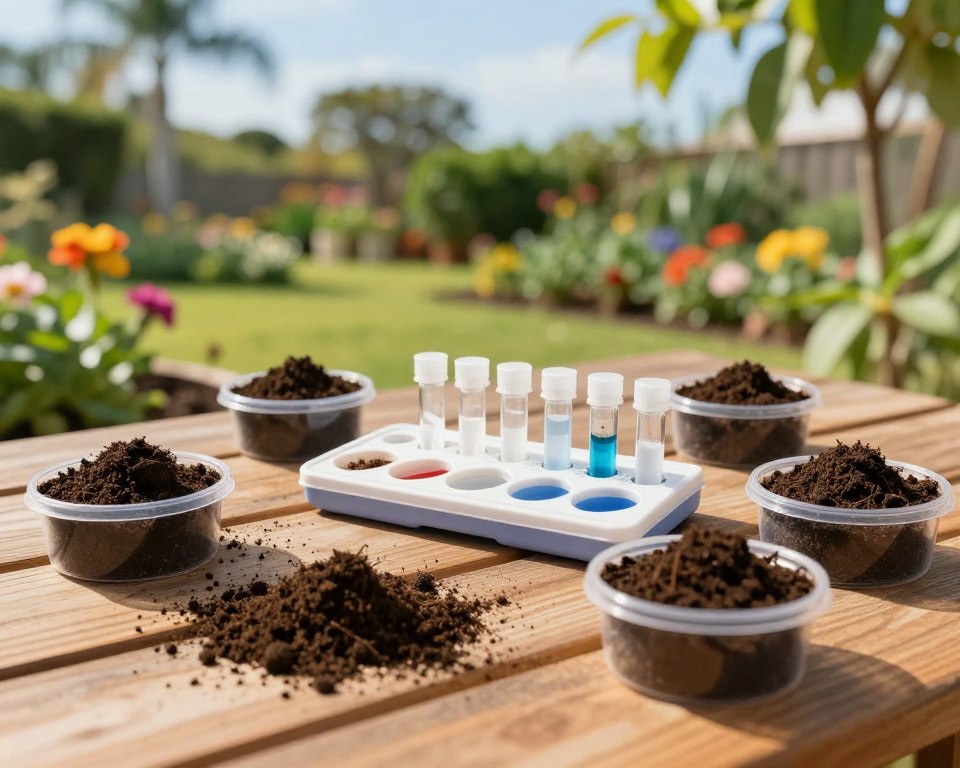
A quick lab test turns guesswork into clear actions when garden crops underperform. Send a sample to your local cooperative extension service to get regional interpretation and recommendations that match Florida conditions.
Where to send samples
Step 1: Collect samples from several spots in the raised bed soil and mix them in a clean bucket.
Step 2: Follow your extension’s sampling method and mail or drop off the labeled bag.
How to use pH results and nutrient data
Read results against examples: pH 5.6 (peat mix), pH 6.8 (balanced mix), pH 7.5 (bagged blend). Use pH to choose ingredients: peat lowers pH; some composts or mixes raise it.
What “above optimum” nutrients mean
High readings for phosphorus, potassium, or zinc show supply, but not guaranteed uptake. Pair these numbers with how water moves in the bed and plant symptoms to decide mixes or amendments.
- Test before a new planting cycle to allow time for adjustments.
- Use the soil test results plus field observation to solve issues quickly.
How much soil mix you need for a Florida raised bed
Estimate material needs before ordering so a single trip fills the bed and avoids mismatched mixes. Measure once, buy once, and reduce extra handling and wasted time.
Measure length, width, and depth
Use this simple method: length × width × desired fill depth. That gives cubic feet. Divide by 27 to convert to cubic yards if buying bulk.
Plan fill depth by crop
Shallow crops like greens need 6–8 inches. Deep-rooted crops such as tomatoes need 12–18 inches. Pick a realistic depth before you buy material.
- Bottom-filling with logs, sticks, and leaves reduces required volume but causes settling as that material breaks down.
- Buy 10–20% extra or plan a top-off later to account for settling, especially where leaves and wood are used.
- Florida rainfall can speed decomposition, so expect more settling and shorter top-off intervals than in cooler climates.
- Stage deliveries and have tarps ready to keep materials from washing away during storms and heavy water events.
| Bed size | Depth | Approx. cubic feet |
|---|---|---|
| 4′ × 4′ | 1′ (12″) | 16 |
| 4′ × 8′ | 1′ (12″) | 32 |
| 4′ × 8′ | 1.5′ (18″) | 48 |
How to fill a raised bed with a soil mixture that won’t compact
Fill a new raised bed in a way that prevents deep compaction and keeps air channels open for roots.
Build a bottom layer that keeps air moving
1. Place a 4–6 inch layer of coarse limbs, logs, and dry leaves at the base. This adds long-term organic matter and creates airflow channels.
2. Keep large pieces loose rather than tightly packed so water can move downward.
Add the main mix and water in to settle
3. Add the main soil blend: a roughly 50/50 compost and topsoil mix. Work in small lifts (6–8 inches) rather than dumping all at once.
Water each lift gently. This method reduces hidden air pockets without compacting the material by stomping.
Top off, re-level, and plan checks
4. Expect settling. After 2–8 weeks, add a top-off layer and use a rake to level for planting.
Avoid walking or tamping the surface. That compresses pore space and cuts root oxygen.
Check beds after the first heavy rain; storms can speed settling and may require a quick top-up.
- Place coarse woody material for airflow and slow decomposition.
- Add the main soil mixture in lifts and water each layer.
- Top off, re-level, and avoid over-tamping during transplanting.
| Step | Action | Purpose | When to check |
|---|---|---|---|
| Bottom fill | Logs, sticks, leaves | Air channels, long-term organic matter | Day 0 |
| Main fill | 50/50 compost + topsoil | Structure and fertility | After each lift |
| Water-in | Gently water each layer | Settle mix, remove air pockets | Immediately |
| Top-off | Add thin finish layer and level | Even surface for transplants and drip lines | 2–8 weeks / after heavy rain |
Compost strategy for Florida raised beds over time
A quick 1–2 inch layer of compost at planting time keeps garden mixes lively between crops.
Add compost before each new planting
Before you set transplants or sow seed, spread a fresh 1–2 inch top-dress of compost. This refreshes surface nutrients and gives young plants an immediate feed.
Why routine renewal matters
Plants remove nutrients over time. Florida heat and heavy rain speed organic matter breakdown, so mixes lose fertility faster than in cooler climates.
- Add compost between crops, after major harvests, and at the start of each season.
- Treat compost as routine maintenance, not a one-time fix.
- Consistent composting supports soil life and keeps raised bed soil crumbly and workable.
| Material | Primary role | When to add |
|---|---|---|
| Compost | Renew nutrients, boost biology | Each season / between crops |
| Topsoil | Maintain structure | Every few years if mix settles |
| Minor clay | Add firmness for tall crops | When plants fall or bed loses shape |
After a few years, beds may need both compost for fertility and some topsoil to restore structure. For crop-specific timing or to learn if perennial asparagus will suit your plot, see can asparagus grow in Florida.
Fix common raised bed soil problems fast
Visible symptoms after storm cycles point directly to common bed mix problems. Use simple checks to match what you see with a safe fix you can apply in one day.
Plants falling over after a couple years
Symptom: tall plants lean or topple late in the season. Cause: the mix lost structure as organic matter broke down and the bed lost bulk. Fix: mix in topsoil or a small amount of clay to add body. Work in 1–2 inches across the root zone and water to settle. Recheck after a heavy rain.
Yellowing and rot symptoms
Symptom: yellow leaves or soft crowns after storms. Cause: poor permeability traps water at roots and limits nutrients and oxygen. Fix: open channels by lightly stirring the surface and adding coarse compost. Reduce water at the source and improve runoff paths during storm season.
If the mix becomes too dense
Symptom: mix feels heavy and resists roots. Cause: particles pack tight, cutting airflow. Fix: add coarse sand in measured amounts (no more than 10–15% by volume) and mix thoroughly. Caution: avoid adding sand to heavy clay without testing—small changes and drainage checks prevent a concrete-like result.
| Symptom | Likely cause | Quick fix |
|---|---|---|
| Leaning plants | Loss of structure over years | Add topsoil/clay, water-in |
| Yellowing, rot | Poor permeability | Improve airflow, reduce water |
| Dense mix | Compaction | Mix in measured sand, retest drainage |
Match soil mix choices to what you’re growing
Match what you grow to what the mix supplies, not the other way around. Crop needs change priorities: drainage, acidity, or steady nutrition. Use observed results and a quick test to choose wisely.
Tomatoes: sensitivity and measured outcomes
Tomatoes show clear sensitivity to pH and drainage. In one trial, Roma yields differed sharply: 7 lb/plant with a peat-forward mix (pH ~5.6), 5.3 lb with the topsoil/compost recipe (pH ~6.8), and 1.34 lb in a bagged product (pH ~7.5).
High pH can cause nutrient tie-up and yellowing, which matches the low-yield result. If tomatoes are a priority, emphasize acidity and fast drainage.
Broccoli: tolerance and timing effects
Broccoli tolerated higher pH and produced heads in the first two fills. Later planting in the bagged mix still yielded, suggesting timing and seasonal weather altered the outcome.
- Practical takeaway: prioritize pH and drainage for tomatoes; for broccoli, focus on steady fertility and correct planting window.
| Crop | Key need | Observed result |
|---|---|---|
| Tomatoes | Acidic pH, good drainage | Large yield difference across mixes |
| Broccoli | Consistent nutrients, tolerates higher pH | Produced heads despite mix variation |
| General | Timing | Planting date altered growth outcomes |
Use potting soil and potting mix the right way (and keep it out of the wrong places)
Containers and garden plots need different media. Pots require a light, fast-draining medium so roots do not sit in water. Garden areas need heavier, stable material that holds form and nutrients over time.
Seed-starting and flats
Fine-textured commercial organic potting soil works well in flats. It improves drainage, warms quickly, and reduces weed seeds and pathogens.
Inspect a bag before you commit. Avoid large twigs, bark chunks, or uneven texture.
Transplants in small pots
Use a loose container blend to help roots develop. A practical ratio for 4-inch pots:
- 45% peat
- 45% perlite
- 10% nutrient add-in (worm castings, turkey litter, or compost)
Add a light fertilizer once roots begin to fill the pot.
Garden plots vs containers
Key rule: potting products are made for confined root zones; heavier garden mixes resist settling and water swings. Do not fill a whole garden area with straight potting soil. It will dry unevenly, settle more, and cost much more than a proper garden mix.
| Space | Primary need | Quick tip |
|---|---|---|
| Seed flats | Fine texture, low pathogens | Buy organic potting soil; check for twigs |
| Small pots | Fast drainage | 45% peat / 45% perlite / 10% nutrient |
| Garden | Bulk, structure | Use compost + topsoil base, not straight potting mix |
How to choose quality materials locally in Florida
When sourcing materials locally, simple checks save time and prevent costly mistakes at the garden gate. Look beyond labels and photos and examine a small sample whenever possible.
Bulk vs bagged: what to inspect before you commit
Ask suppliers where the load came from and whether they screen and blend before delivery. Bulk deliveries can be cheaper, but source matters. Bags are convenient, yet the contents vary.
- Ask: origin, screening, and recent weather when the material was dug.
- Check: consistent moisture in a sample; overly dry or wet pockets signal poor processing.
- Tip: request a small test load or a few bags before filling an entire bed.
Spotting overly woody bagged garden soil and chunky mixes
Open a bag and inspect for bark, large wood chunks, or coarse fibrous pieces. Excess woody debris ties up nitrogen as it decomposes and can cause yellowing later.
If the mix smells sour or is very dry in patches, pass on that product or blend it with finished compost before use.
Checking topsoil texture and avoiding overly clay-heavy loads
Feel the topsoil sample. A loamy feel that crumbles when squeezed is ideal. Sticky clods and a smooth, ribboning feel indicate high clay content.
Color alone does not guarantee performance. Ask if the topsoil is from river-bottom sources; those often show higher clay and compact after heavy rain.
| Item | What to look for | Action |
|---|---|---|
| Bagged garden soil | No large wood, consistent moisture | Open and inspect or buy one bag first |
| Bulk topsoil | Loamy feel, no sticky clods | Ask supplier source; request screened material |
| Delivery checks | Even texture, free of trash | Refuse or mix before filling the raised bed |
Quick shopping checklist: inspect a sample, ask about sourcing, check moisture and texture, avoid big wood pieces, and buy a small test amount first. These steps reduce risk and help keep a new raised bed productive from day one.
Seasonal maintenance habits that keep raised bed soil productive
Simple seasonal habits reduce the work later and keep plant roots healthy year after year.
Replenish organic matter and expect settling
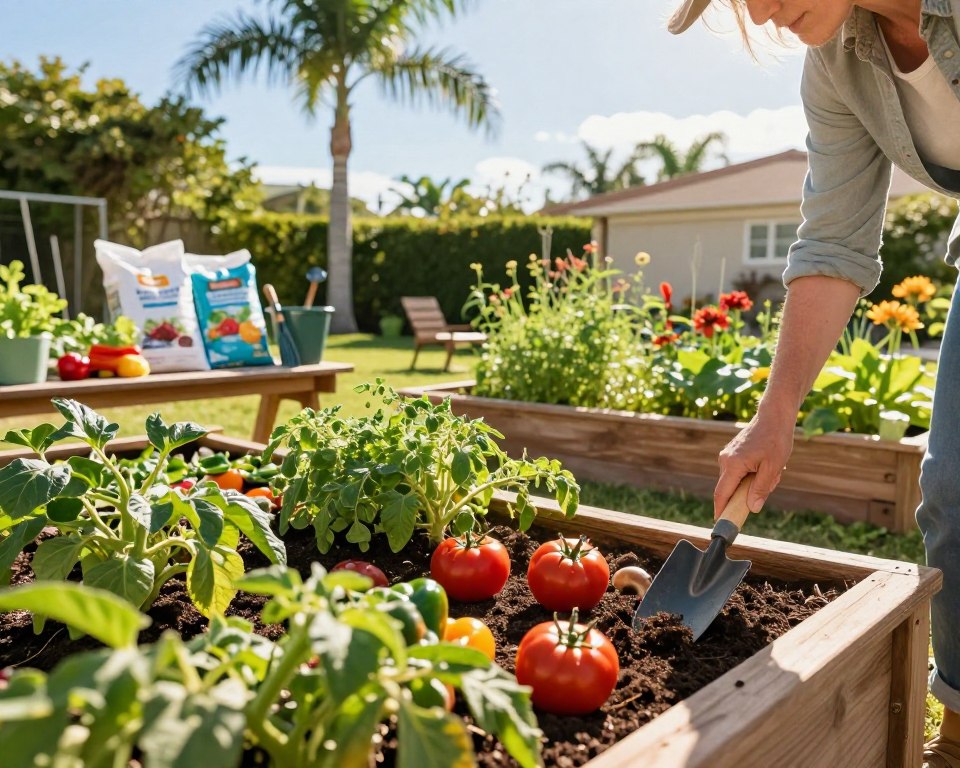
Action: add a 1–2 inch top-dress of compost each season to restore nutrients and structure.
Organic matter breaks down faster in warm, wet weather. Expect gradual settling over years where logs and sticks were used at the base.
Keep moisture steady so peat moss mixes behave
Tip: peat moss mixes dry unevenly if allowed to swing between wet and bone dry.
Use drip irrigation or soaker hoses to deliver consistent water during hot spells. This helps avoid dry pockets that repel moisture later.
- Check soil level each season and add compost if the surface is low.
- Confirm drainage after heavy storms and fix any compacted spots.
- Adjust irrigation run times as temperatures rise.
| Task | When | Why |
|---|---|---|
| Top-dress with compost | Each season | Maintain fertility and crumbly texture |
| Inspect level | After storms / spring | Account for settling over years |
| Check irrigation | Weekly in heat | Keep peat moss mixes evenly moist |
Conclusion
A practical finish ties choices to actions: start with a reliable compost + topsoil base, then tune drainage and pH based on how the bed performs.
Prioritize water movement and oxygen first, then dial in fertility and pH. Choose ingredients, calculate volume, and fill in lifts to avoid compaction.
Plan a regular 1–2 inch compost top-up at planting time and check levels after storms. If tomatoes show persistent yellowing or stunting, send a sample to your extension and act on the results.
Small, steady steps over time keep a productive garden. With measured fills, routine compost renewal, and a simple test when things stray, raised bed soil improves season by season.
FAQ
What mix provides good structure, nutrients, and drainage in a raised bed?
How does heavy rain and heat in Florida change how a bed’s growing mix behaves?
Why is drainage and root oxygen important in raised beds?
What pH range should gardeners expect and aim for when growing vegetables?
Why does “alive” organic matter matter in a mix?
What role does compost play, and how does source matter?
When should native ground soil be mixed in, and when should it be avoided?
How does Mel’s Mix perform in wet weather and what is its recipe?
How can Joe Lamp’l’s “perfect soil” recipe be adapted to Florida conditions?
Are bagged raised bed mixes reliable or should gardeners avoid them?
How often should gardeners run a soil test and where to send samples?
How do you calculate how much mix is needed to fill a bed?
What is the best method to fill a bed so the mix won’t compact later?
How should compost be added over time to keep beds productive?
What quick fixes help common raised bed problems like poor structure or yellowing foliage?
How should mix choices change depending on crops like tomatoes or broccoli?
When is potting mix appropriate versus garden bed media?
What should gardeners inspect when buying local bulk or bagged materials?
What seasonal habits help keep raised beds productive in Florida’s climate?


