
 0
0
 0
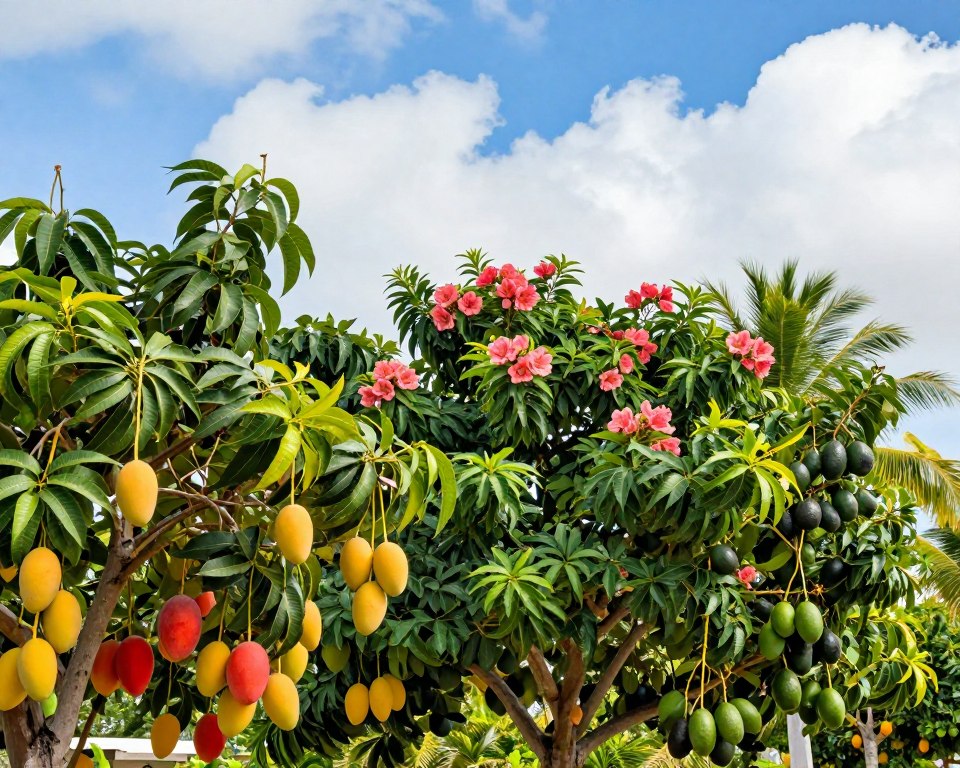
0 best fruit trees for south florida is a practical starting point when planning a yard that yields regular harvests despite heat, humidity, and summer storms.
Walk the yard and note sun, drainage, and wind exposure before planting. A mango or avocado will reward a sunny, sheltered spot, while banana and loquat tolerate wetter corners.
Choose trees that handle sandy soil, humid summers, and occasional flooding so you avoid constant replacements. Plan canopy width and height to prevent crowding and storm damage.
Expect a mix of fast-fruiting options and longer-term performers. This guide focuses on reliable varieties homeowners actually plant in gardens and home food forests, not a native-only list.
Key Takeaways
- Pick species that tolerate heat, humidity, sandy soil, and storms.
- Mango, avocado, banana, loquat, mulberry, and starfruit are top performers.
- Site selection — sun, drainage, and wind — is as important as species choice.
- Account for mature size to avoid overcrowding and storm damage.
- Grafted trees offer faster, more predictable yields than seed-grown stock.
- Some options fruit quickly for impatient gardeners; others reward long-term care.
What makes a fruit tree a good fit for South Florida yards
Start by assessing how intense sun, muggy air, and sandy ground affect a tree’s chances of thriving. These factors set the baseline for site choice and long-term care.
Baseline challenges: High heat, near-constant humidity, and sandy soil that drains fast and holds little organic matter.
- Soil and water: Sandy soil needs organic matter and mulch more than frequent shallow watering. Compost and a 3–4″ mulch ring improve nutrition and moisture retention.
- Sun and airflow: Aim for full sun and avoid tight corners that trap humidity. Leave room for a mower or ladder and ensure good airflow to reduce disease.
- Size and spacing: Trees can mature from 10 to 60+ feet. Mangoes commonly need at least 15 feet between trunks; when unsure, plan wider spacing to limit breakage in storms.
- Storms and flooding: Mark low spots that hold water after summer downpours. Place flood-sensitive species high and dry—avocado dislikes standing water.
- Wind exposure: Dense canopies often need structural pruning to cut limb loss during storms.
- Grafted vs seed: Grafted trees give known fruit quality and faster production. Seed-grown stock can be unpredictable and may take 7–8 years or more to bear.
| Factor | Effect | Simple fix | Example |
|---|---|---|---|
| Fast-draining soil | Leaches nutrients | Add compost and mulch | Mulch ring, monthly compost top-dress |
| High heat & humidity | Increases disease risk | Improve airflow; full sun sites | Space trees wider than minimum |
| Storm wind | Broken limbs, uprooting | Structural pruning; wider spacing | Reduce canopy density before season |
| Propagation type | Time to production | Choose grafted for earlier yield | Grafted mango/avocado fruit sooner than seed |
If you want to see whether other crops will grow in the area, read about how to grow Florida raspberries as a quick test of site drainage and microclimate.
Best fruit trees for south florida that consistently perform
This list highlights species that produce well in warm, humid yards and need only routine care. Use the criteria of productivity, resilience, timing, and space when choosing plants.
Mango trees: fast growth and big yields
Mango ranks high for steady production and long-term value. Routine pruning keeps a vigorous tree to 8–12 feet, making harvests easier and reducing storm damage.
Avocado: long harvest window, plant high and dry
Different varieties extend harvest from late spring into late summer and fall. The single most important tip is to place avocado trees on well-drained, raised soil to avoid root loss.
Banana: quick returns and food forest benefits
Banana plants fruit in months, not years, and provide shade, mulch, and organic matter while larger trees mature.
Loquat trees: winter bloom, spring fruit
Loquat blooms in winter and typically produces ripe fruit in March–April. That timing helps stretch the season.
Mulberry: resilient and heavy producer
Mulberry tolerates pruning and periodic flooding, then yields heavily each spring. It is a reliable backbone species in mixed plantings.
Starfruit (carambola): citrus alternative
Sweet varieties like Arkin often fruit young and avoid many citrus pests. They offer unique flavor and usable harvests in small yards.
- Who this fits: small yards should pick prune-friendly varieties; larger lots can accept full-size canopies.
- Plan: give sun, good drainage, and space for steady growth and yearly harvests.
| Species | Strength | Quick tip |
|---|---|---|
| Mango | High yields | Prune regularly to control height |
| Avocado | Long season | Plant on raised soil |
| Banana | Fast fruiting | Use as shade and mulch source |
| Loquat / Mulberry / Starfruit | Seasonal variety | Stagger varieties to extend harvests |
Fastest fruiting options for impatient gardeners
For gardeners who want near-term results, several tropical options begin producing well within a year or two. These choices help bridge the wait while longer-lived specimens mature and keep activity in the garden.
Why fast fruiting matters: quick yields boost confidence, provide early harvests, and supply shade or organic matter while larger plants establish.
Papaya
Papaya often fruits in about 6–12 months in consistently warm, sunny conditions. It grows quickly and is usually treated as a short-lived, high-yield plant rather than a long-term canopy tree.
Expect to replant every few years; place papaya where replacement is easy and soil drains well.
Carambola and mulberry
Carambola (starfruit) and mulberry commonly produce within the first couple of years. Grafted carambola tends to fruit sooner and more predictably than seed-grown stock.
Both respond to steady water and feeding; mulberry tolerates some flooding and pruning.
Banana timelines
Banana typically moves from planting to harvest in roughly 10–15 months. Watch these milestones:
- Leaf flush and rapid vegetative growth (first months).
- Emergence of the flower stalk (often 6–10 months).
- Bunch filling and ripening (final months to harvest).
Factors that shift timelines: planting size, sun exposure, nutrition, irrigation, and storm damage all change how many months to expect.
| Species | Typical time to first harvest | Space note |
|---|---|---|
| Papaya | 6–12 months | Narrow, easy to replace |
| Carambola | 1–2 years | Compact if grafted |
| Mulberry | 1–2 years | Needs room unless pruned |
| Banana | 10–15 months | Clumping habit, spreads |
Fast does not mean no work. Mulch, regular feeding, and timely watering improve results and reduce fruit drop in dry spells. Match choice to available space and maintenance willingness to get steady harvests while larger specimens grow.
Mango trees in South Florida: varieties, spacing, and storm-proofing habits
In this climate, managing mango size and spacing pays off with bigger, safer harvests. Start with a compact plan and a clear spot in the garden.
Why mango perform so well: warm winters and long growing seasons let flowers set and fruit mature. Choose a variety that matches the available space and maintenance you can commit to.
How much space mango need and why 15 feet matters
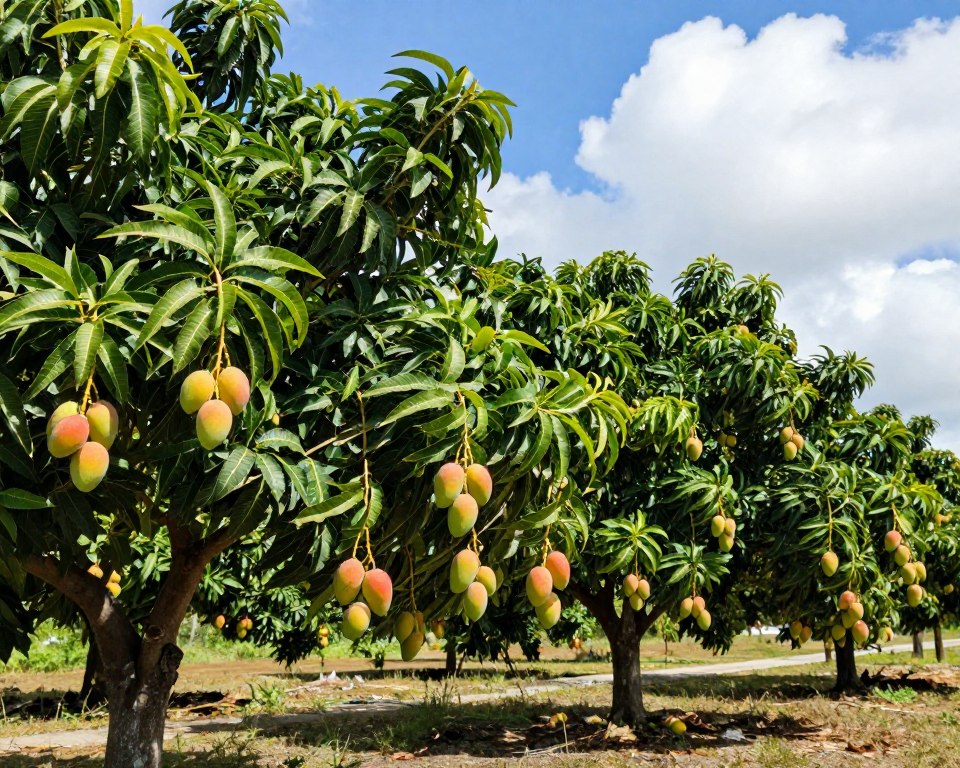
Plant at least 15 feet between trunks to allow canopy spread, airflow, and sunlight penetration. Fifteen feet cuts limb conflicts and lowers the chance of breakage during summer storms.
- Tighter spacing only if you will prune yearly to keep trees compact.
- Plan for mature canopy spread, not just the nursery size.
When to prune to keep trees shorter without losing fruit
Begin shaping in the second growing season. Keep main scaffold limbs low and remove tall, vertical shoots.
Pruning is both a size-management and storm-resistance tool. Thin dense sections to reduce wind resistance and simplify harvest.
Season timing and storm effects on crop
Mango season runs late spring into summer. Heavy winds and rain can cause fruit drop and reduce usable crop.
Simple storm-proofing: avoid heavy nitrogen late in the season, remove weak branch angles, and stake young trees only when needed.
| Topic | Recommendation | Why it matters |
|---|---|---|
| Spacing | 15 feet minimum | Canopy room, airflow, reduced limb conflict |
| Pruning | Start year two; annual shaping | Control height; improve harvest access |
| Variety choice | Compact vs vigorous | Match growth habit to available space |
Avocado trees for South Florida: choosing varieties and avoiding common failures
A single poor site choice—planting where water pools—can end an avocado tree in a season. Avocado trees cannot tolerate flooding or standing water. Planting “high and dry” protects roots and keeps oxygen at the root zone.
Site-selection steps you can use:
- Observe the yard after a heavy rain—mark any low spots that hold water.
- Avoid those hollows; pick a raised bed or mound slightly if drainage is marginal.
- Leave room for airflow and sun to reduce disease risk around the trunk.
Soil and pH: Avocados prefer slightly acidic soil. Add organic matter—compost and a 3–4″ mulch ring—to sandy soils to hold nutrients and even moisture without creating a soggy basin.
Varieties, timing, and small-space options
Simmonds (June–September) and Donnie (July–August) are common choices that match local seasons. Mix early, mid, and later-ripening varieties to stretch a harvest from late summer into winter.
For patios and tight yards, consider compact “condo” varieties such as Wurtz and Fuerte. Grafted trees give predictable fruit and shorter waits; seedlings often take 7–8 years to produce.
| Topic | Recommendation | Why it matters |
|---|---|---|
| Drainage | Plant on raised soil | Prevents root loss from standing water |
| Soil | Slightly acidic + organic matter | Improves nutrient holding in sandy soil |
| Variety choice | Simmonds, Donnie, Wurtz, Fuerte | Match timing and space to harvest goals |
More tropical fruit trees that grow Florida-style in South Florida gardens
For gardeners expanding a mixed planting, these species offer distinct timing, soil needs, and simple care cues.
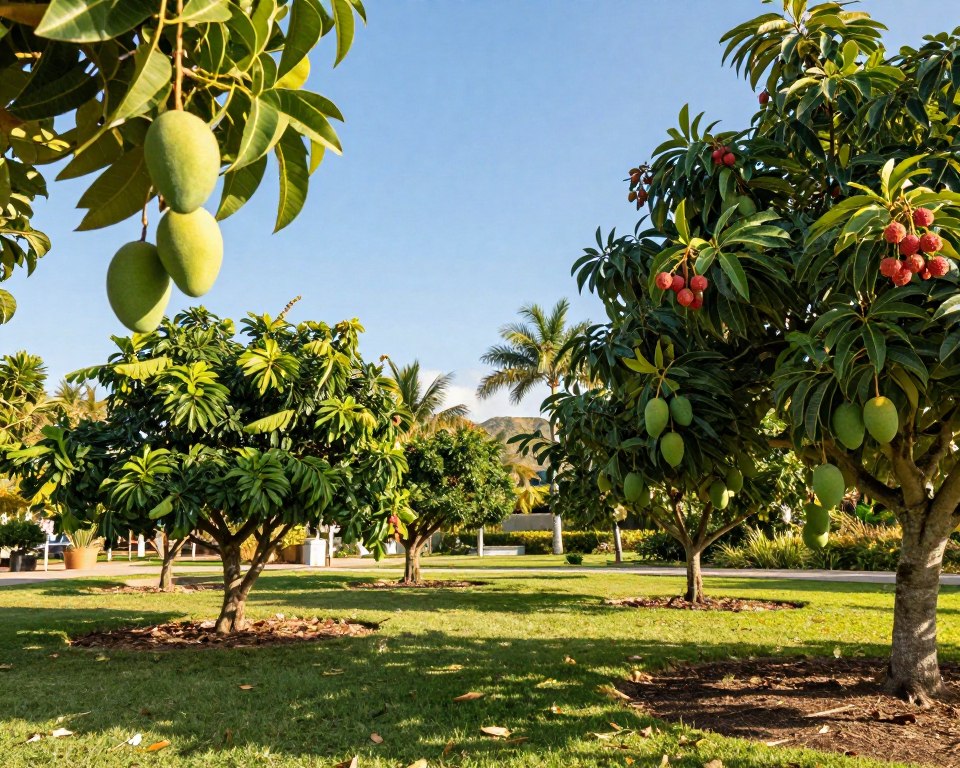
Lychee fits sandy soil and needs full sun. Plant where drainage is good and air moves freely.
- Post-harvest tip: remove about 6 inches from branch tips to keep structure manageable.
- Watch-out: avoid heavy, poorly drained ground; young trees dislike standing water.
Sapodilla is reliable in warm climates but patient gardeners should expect 5–8 years to fruit.
- Minimal pruning needed; focus on mulching and steady watering early on.
- Good choice where low-maintenance growth is preferred.
Wax apple yields heavily and can attract wasps when fruit ripens.
- Harvest promptly and place the plant away from patios or play areas.
- Thin dense growth to reduce hiding spots for insects.
Barbados cherry suits small gardens and needs little water once established.
- Choose sweet varieties such as ‘Florida Sweet’ or ‘Manoa Sweet’ for table use.
- Space and low irrigation needs make it a good hedgerow or specimen.
Guava produces well but often faces rainy-season pest pressure on ripening fruit.
- Monitor during summer rains and harvest as fruit softens to reduce damage.
- Light pruning encourages airflow and easier picking.
Pomelo fruits in winter and is low-maintenance compared to many citrus options.
- Place in full sun with regular, moderate watering until established.
- Good pick for winter harvests that demand less daily care.
Coconut belongs on coastal lots with long-term space plans.
- Requires plenty of room and time — not suitable for small yards.
- Best near salty air and sandy soils where roots can spread.
| Species | Where it fits | Main needs | Key watch-outs |
|---|---|---|---|
| Lychee | Sandy, sunny sites | Good drainage, full sun | Avoid standing water; tip-prune after harvest |
| Sapodilla | Warm, sheltered yards | Steady moisture early; little pruning | Long wait to fruit (5–8 years) |
| Wax apple | Medium yards, tolerant soils | Rich soil, regular harvest | Attracts wasps; keep away from busy spots |
| Barbados cherry | Small gardens, hedges | Low water once established | Choose sweet varieties for best flavor |
| Guava / Pomelo / Coconut | Mixed plantings (space by species) | Monitor pests; winter fruiting (pomelo); coastal siting (coconut) | Rainy-season pests (guava); long-term space needed (coconut) |
Selection lens: Match sun exposure, drainage, and space before buying. Tropicals vary; pick the right location and plan maintenance to help each tree reach its potential.
Fruit trees to avoid in Florida’s humid, warm climate
Traditional cool‑season orchard varieties often underperform when nights remain warm and humidity is constant.
Why apples, cherries, pears, and many stone varieties are poor bets
These species evolved with cold winters and defined chill hours. In a humid subtropical climate they often fail to set reliable blooms and fruit.
Practical outcomes homeowners see include more pest and disease pressure, uneven flowering, and small or no harvests compared with tropical options.
- Warm nights and persistent humidity increase fungal problems that temperate trees do not tolerate well.
- Sandy soil and heavy summer rains can leach nutrients and stress root systems already mismatched to the climate.
- Avoid does not mean impossible: sheltered microclimates or specialized varieties sometimes perform, but they are the exception.
Decision tip: If a nursery tag highlights chill requirements or cold tolerance, treat that as a sign the tree may be a poor match for most home sites.
| Species | Main climate mismatch | Typical homeowner result |
|---|---|---|
| Apple / Pear | Needs chill hours | Poor fruit set; disease issues |
| Cherry | Cold‑season flowering | Sparse blooms; fruit failure |
| Peach / Nectarine / Apricot | Susceptible to humidity | Leaf and fruit rot; short lifespan |
Conclusion
A practical path is to plant a few proven producers, place them well, and keep care steady.
Site first: choose a high, well‑drained spot. One good location can mean steady avocados instead of repeated failures from standing water.
Give mature crowns room. Plan spacing—mango often needs about 15 feet between trunks—to reduce storm damage and ease harvest and pruning.
Prefer grafted trees when you want reliable flavor and a shorter wait; seed projects can take many years and are less predictable. Bananas and papaya can yield within a year, while loquat flowers in winter and fruits by March–April. Avocado timing can stretch from late summer into winter depending on variety.
Practical next step: pick 1–3 specimens that fit sun and space, confirm mature size, then plant in warm weather with mulch and steady early watering. With the right siting and simple routines, a home food forest can deliver regular harvests and lasting value.
FAQ
What makes a fruit tree a good fit for South Florida yards?
How important is sun, spacing, and mature height when planning a planting?
How should I pick a planting site to reduce storm and flooding damage?
Are grafted trees better than seed-grown trees in this climate?
Which tree types consistently perform in southernmost Florida gardens?
How do mango trees perform and how should they be managed?
What are the best planting practices for avocado trees in wet, humid conditions?
Which avocado varieties suit South Florida and extend the harvest season?
What are fast-fruiting options for gardeners who want quick results?
How long until banana plants produce in a home garden?
What should homeowners know about loquat and mulberry in this region?
Which tropical species are suitable beyond mangoes and avocados?
Which trees should be avoided in this humid warm climate?
How can small-space gardeners grow productive trees?
What pest and disease risks are common in South Florida plantings?
How does seasonality affect harvest timing for tropical trees?
Can these trees form part of a home food forest or edible landscape?


