
 0
0
 0
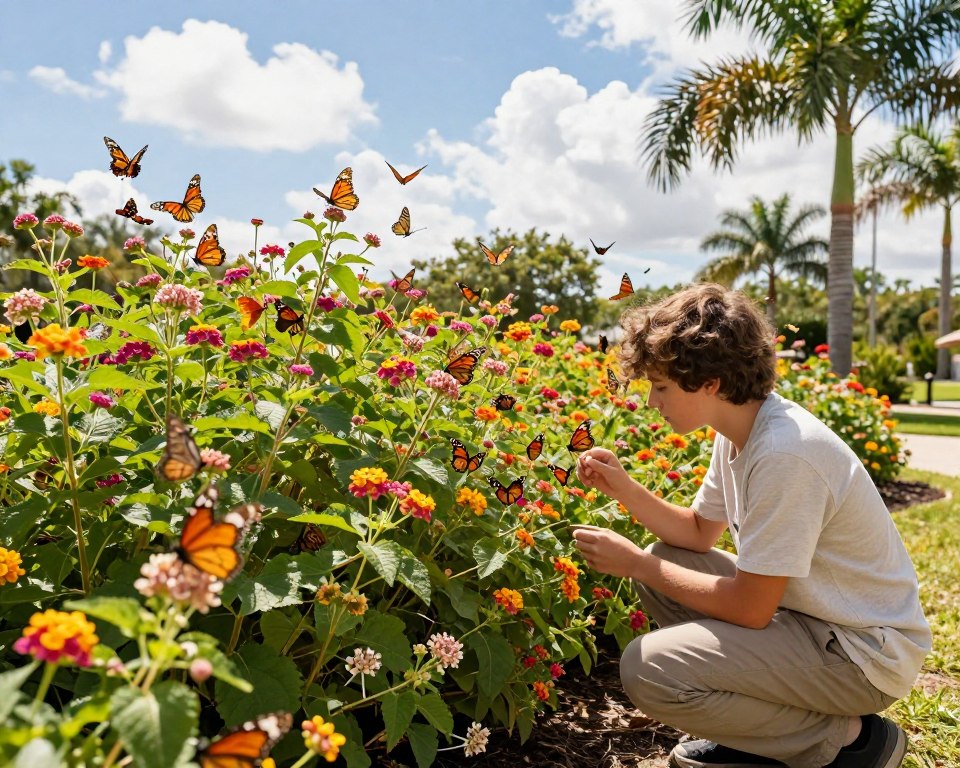
0 Warm sun on morning petals and a quick, bright visit from monarchs show why a local habitat matters. This practical guide begins with the essentials you need: sun, shelter, food for adults and caterpillars, and a tiny puddle for puddling.
Know the two plant roles: nectar plants feed adults, while host plants feed caterpillars and hold eggs. Group three or more of each species and plant blooms from March through November for steady food.
Pick a spot with four or more hours of sun and some windbreak. Water only to help new plants establish, skip fertilizer, never spray pesticides, and leave leaf litter that may hold chrysalises.
Key Takeaways
- Support the full life cycle: eggs, caterpillars, chrysalis, adults.
- Use both nectar and host plants; group species in threes.
- Choose a sunny site with shelter and a small puddling spot.
- Plant March–November; water to establish and avoid pesticides.
- Small, native plantings help create habitat corridors in towns.
how to start a butterfly garden florida with the right site and sun exposure
Choose a sunny, sheltered spot that gives butterflies quick warmth each morning. Aim for four to six hours of direct sun so flowers bloom well and insects warm early.
Quick site checklist:
- Map sun by watching the place in morning, midday, and late afternoon for one day.
- Prefer morning light; it helps butterflies warm and feed sooner.
- Keep nectar plants near sheltered areas so movement is easy between sun and shade.
Wind, shelter, and roosting
Wind blocks improve feeding and flight. Plant shrubs and small trees as a partial windbreak. Place them so they block prevailing winds without shading the whole bed.
Basking and puddling spots
Include one or two warm surfaces: flat rock, bare soil, or sun-warmed pavers for early-day basking. Put any small water or puddling area near the shelter and away from heavy foot traffic.
| Feature | Why it matters | Simple fix |
|---|---|---|
| Morning sun | Warms wings for feeding | Place bed on east or southeast side |
| Windbreak | Reduces flight stress | Use shrubs or small trees on windward side |
| Basking spot | Speeds digestion and flight readiness | Add flat rock or bare patch near flowers |
| Small yards | Limited space still supports species | Use fence lines, hedges, or potted shrubs for shelter |
Design a Florida butterfly garden that supports the full life cycle
A thoughtful mix of nectar and larval food helps species find everything they need within small areas. This layout supports eggs, hungry caterpillars, chrysalises, and adults through each stage of the life cycle.
Core design rule: include both nectar plants for adults and host plants where butterflies lay eggs. Place these within short walking distance so newly emerged adults find food fast.
Plan bloom coverage and timing
Choose plants that bloom across the active season. Aim for continuous blooms from March through November so nectar is available most of the time.
Layer plants for habitat
- Low groundcovers for puddling and early feeding.
- Mid-height wildflowers where most adults feed.
- Tall shrubs or vines for shelter and roosting.
Group, pair, and expect activity
Plant three or more of each species in clumps so butterflies spend less energy searching and the bed looks cohesive from a distance.
Pair host plant clumps with nearby nectar patches to match likely species. When host plants work, visible leaf chewing by caterpillars is normal and shows the design is functioning.
Build short routes through the space: a warm basking rock, then a nectar patch, then a sheltered shrub. Start with one small bed or a few containers and expand once timing and host performance are clear.
| Design element | Purpose | Practical choice | Expected result |
|---|---|---|---|
| Nectar plants | Feed adults and attract pollinators | Group 3+ per species; bloom March–November | Steady nectar supply, more adults visiting |
| Host plants | Where butterflies lay eggs and caterpillars eat | Place near nectar; allow some leaf damage | Successful caterpillar growth and more chrysalises |
| Layering | Mimic natural habitat and provide shelter | Mix groundcover, mid-flowers, shrubs | Better feeding at multiple heights; safer movement |
| Grouping & routes | Reduce search time and guide movement | Create clear paths: basking → nectar → shelter | Longer visits and higher reproduction rates |
For plant suggestions and native options that fit this layout, see this guide on local planting choices.
Choose Florida-friendly nectar plants and host plants (native-first)
Prioritize regional natives that offer continuous blooms and reliable host resources. Native-first means using plants that evolved here. Local species are easier to grow and support more pollinators and butterfly species.
Milkweed choices for monarchs and other species
Plant milkweed suited to your soil. Butterflyweed (Asclepias tuberosa) tolerates dry sites. Swamp milkweed (A. incarnata) fits moist beds. Fewflower milkweed (A. lanceolata) and aquatic milkweed (A. perennis) work in coastal or wet spots.
Passionflower vines for host needs
Purple passionflower (Passiflora incarnata) is a larval host for Gulf fritillary and zebra longwing. Train it on a trellis or fence to add vertical habitat without more ground space.
Cassia and senna for sulphur species
Partridge pea (Chamaecrista fasciculata) and privet senna (Senna ligustrina) feed sulphur larvae and suit sunny beds. Group three or more for best visibility and use.
Easy nectar and native wildflower picks
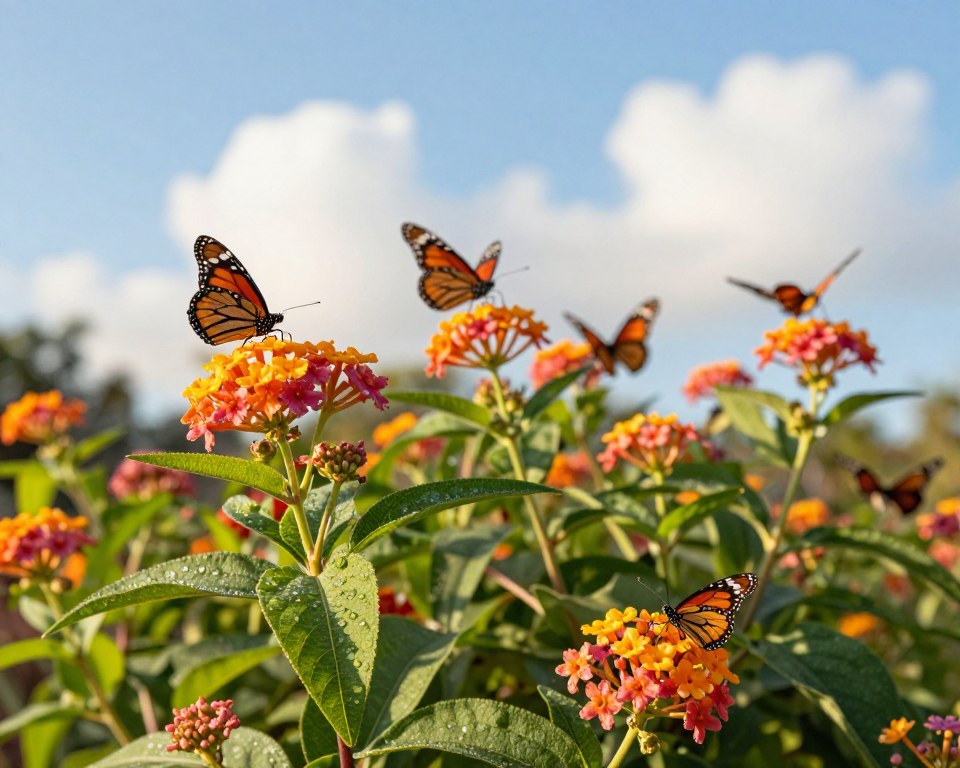
- Zinnias, lantana, pentas, and salvia—reliable summer bloomers (avoid pesticide-treated stock).
- Native picks: mistflower, blazing star, seaside goldenrod, asters, ironweed, sunflowers, tickseed—offer staggered blooms March–November.
| Plant group | Example | Role | Best site |
|---|---|---|---|
| Milkweed | Butterflyweed, swamp milkweed | Host for monarchs; larval food | Dry to wet, match species to moisture |
| Vines | Purple passionflower | Host for Gulf fritillary, zebra longwing | Trellis, fence, partial sun |
| Cassia/Senna | Partridge pea, privet senna | Host for sulphurs; sunny bloom | Sunny beds, well-drained soil |
| Nectar flowers | Zinnia, lantana, mistflower | Provide nectar; attract bees and hummingbirds | Sunny, well-drained; group in threes |
Mix flower shapes and colors. That variety helps different species and benefits bees and other pollinators. Add shrubs and small trees for height, shelter, and more host options to create a true habitat addition.
Planting and care practices that keep butterflies, caterpillars, and eggs safe
Practical bed prep and gentle maintenance let eggs, caterpillars, and adults complete their life cycle safely. Follow simple steps when making new beds, and use low-effort care that favors native plants and wildlife.
Prepare the bed
- Remove turf or weeds and loosen soil with a fork or tiller.
- Mix 2–3 inches of compost into the top 6–8 inches of soil for steady fertility without added fertilizer.
- Level the area and place plants at recommended spacing to improve airflow and reduce pests.
Watering and establishment
Water more often during the first 6–12 weeks so roots set. Use slow, deep watering at the base of plants rather than frequent light sprays.
Once established, cut back irrigation to match seasonal rainfall and plant needs. This conserves water and encourages stronger roots.
Pesticide avoidance and gentle pest checks
Never spray insecticides. Preventative sprays kill caterpillars and adult butterflies along with pests. Hand-pick problem insects and accept some foliage damage on host plants as normal.
Leave some debris in place
Keep stems, leaf litter, and seedheads in quiet areas. Eggs and chrysalises often cling to old foliage, so light tidy-ups are better than aggressive cleanouts.
Simple puddling and water areas
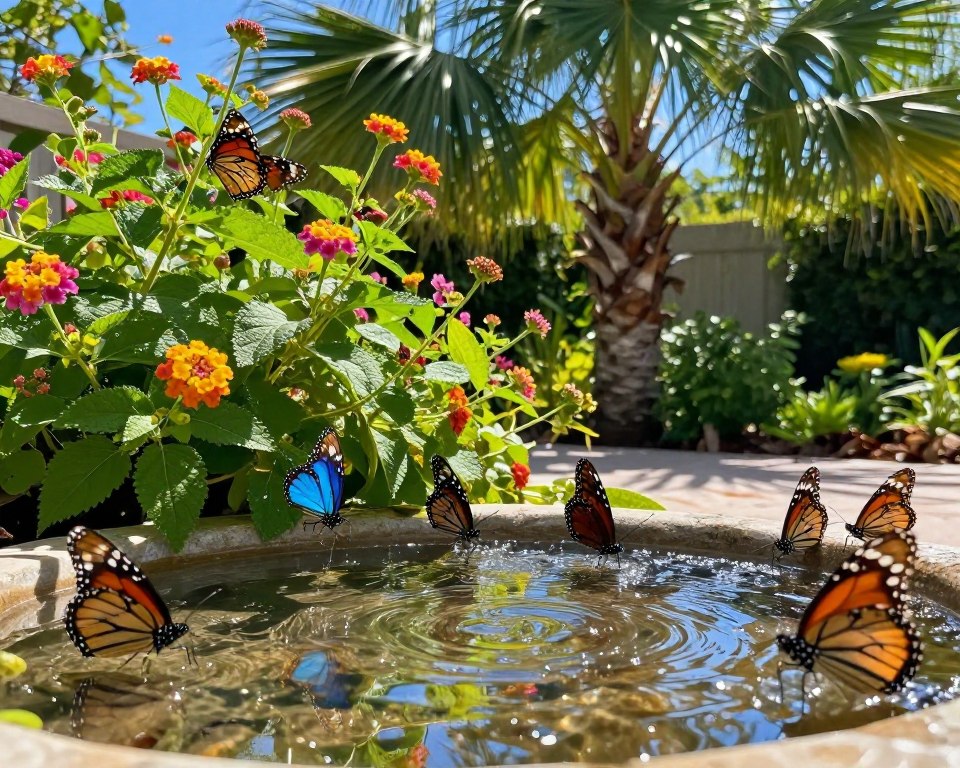
Create a shallow puddling spot with damp sand or soil that stays moist but does not hold standing water. Place it near nectar patches and sheltered areas.
For safety, keep puddles shallow, refresh damp sand regularly, and avoid containers that can breed mosquitoes.
| Action | Why it matters | Quick tip |
|---|---|---|
| Soil amendment | Improves root growth and reduces need for fertilizer | Use compost, not chemical feed |
| Establish watering | Helps plants survive early weeks | Deep, infrequent watering at the base |
| Puddling area | Provides minerals and moisture for butterflies | Shallow dish or damp sand kept moist |
Accept some mess: chewed foliage and visible caterpillars are signs the garden is working. Gentle care keeps more adults and life stages safe while keeping maintenance simple.
Conclusion
Small native beds can act as stepping stones for pollinators across neighborhoods. Even modest plantings invite butterflies and other species into yards and public spaces.
Quick checklist:
Choose a sunny-to-partly-shaded site and add wind protection.
Include basking surfaces and a mix of nectar flowers plus host plants.
Aim for blooms March–November and group three or more of each species.
Two protection rules: never spray pesticides and avoid fertilizer that harms native resilience.
Watch for adults nectaring, eggs on host leaves, and caterpillars feeding. Pick 3–5 native plants, plant them in groups, water to establish, and expand as visits and blooms increase.
FAQ
What site and sun exposure work best in Florida?
How can the garden be protected from wind and provide roosting?
How do you design a space that supports the full butterfly life cycle?
What planting schedule ensures blooms from spring through fall?
Which native host plants are best for monarchs and other species?
What hosts attract Gulf fritillary and zebra longwing?
Which shrubs and trees offer extra host options and height?
What easy nectar plants draw many butterfly species and pollinators?
Are there Florida native wildflowers that support both nectar and larvae?
How should turf be removed and soil prepared before planting?
What watering practices help plants establish without overdoing it?
Can fertilizers or pesticides be used in these gardens?
How should plant debris be handled to protect eggs and chrysalises?
What is a simple puddling area and why is it useful?
How can plant groupings increase visits from butterflies?
Which plants attract both hummingbirds and butterflies?
Are there seasonal tips for managing summer storms and heat?
How can homeowners encourage diversity of butterfly species?
What are common Florida butterfly species gardeners might see?
Where can residents find native plant recommendations and local resources?


