
 0
0
 0
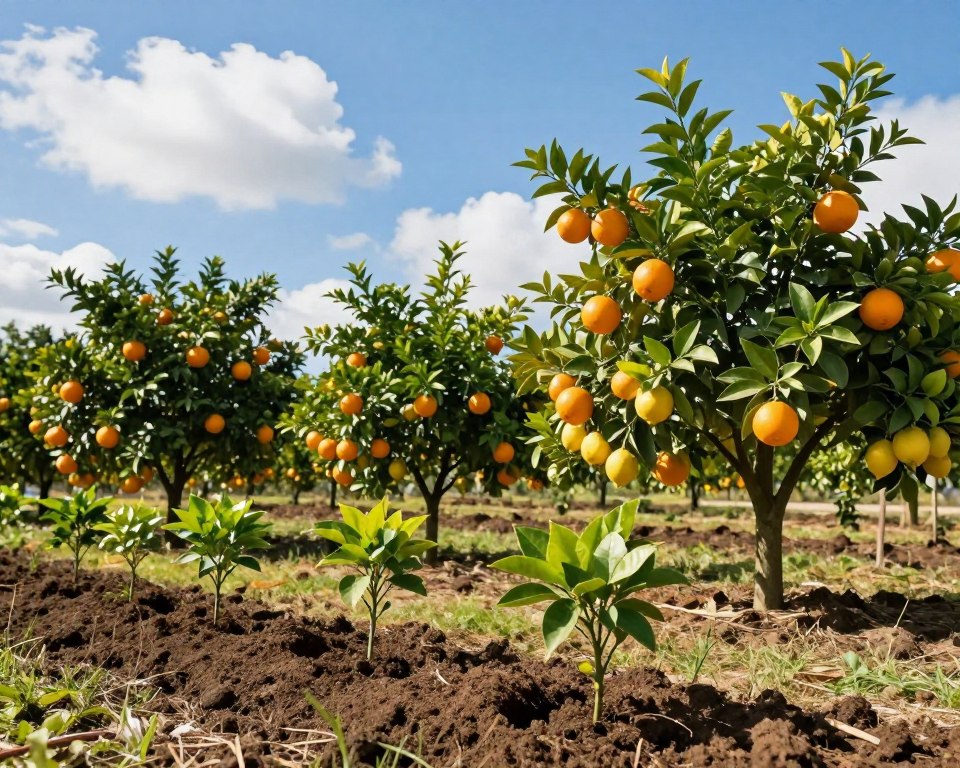
0 Best time to plant citrus trees in Florida often falls mid-summer through early fall, giving roots a warm, moist spell to settle before seasonal extremes.
July through October is a common window across many areas of the state, though local heat, freeze risk, and rainfall change the choice. In North and Central zones a late winter to early spring option can also work when ground warms steadily.
Focus on establishment: choose a sunny spot with good drainage, set the hole shallow, and water regularly during the first year. New trees handle heat waves and freezes better once roots spread, so the goal is reduced transplant stress.
Practical next steps include picking a variety suited for your area, testing soil, and following simple planting steps. For quick seasonal suggestions for backyard gardens, see this guide on what to plant in December, which helps narrow choices by region.
Key Takeaways
- Mid-summer through fall is the primary planting window for many parts of the state.
- Late winter–early spring can work in cooler zones when risk of freeze is low.
- Establishment matters more than exact date: sunlight, drainage, depth, and watering drive success.
- Choose varieties and a site based on your local area and space at home or in a small garden.
- Follow simple planting steps and monitor young trees through their first year.
Best time to plant citrus trees in florida: timing windows that work across the state
Choosing when to put a young citrus in the ground depends more on soil warmth and moisture than a calendar date. UF/IFAS notes a July–October window often works because warm ground supports active root growth and late-summer rains can reduce irrigation stress.
Why summer–fall can perform well
Warm soil promotes steady root growth, and seasonal rainfall may lower watering demand when drainage is good. The main downside is that an extreme heat wave with inconsistent watering can stress a new tree before roots expand.
When late winter or early spring makes sense
Plant in late winter or early spring when the goal is a stronger root system before major summer heat. This is useful on dry sites or where irrigation is limited.
Regional differences and weather checklist
- North: watch for freeze risk and plan protection.
- Central: mild winters allow flexible windows; fall/winter planting can work.
- South: manage intense summer heat and humidity with careful watering.
Nursery stock and practical shortcut
Container-grown trees transplant with less root disturbance and can be set when the forecast is moderate. As a rule of thumb, pick a week with mild forecasts, reliable watering, and good yard drainage so roots can build steadily for months after planting.
Choosing citrus trees and a planting spot that supports long-term growth
Good siting—sun exposure, free drainage, and space to grow—sets a citrus tree up for steady production. These three factors are simple to check and help a tree develop healthy roots and fruit.
Picking the right variety for your home garden
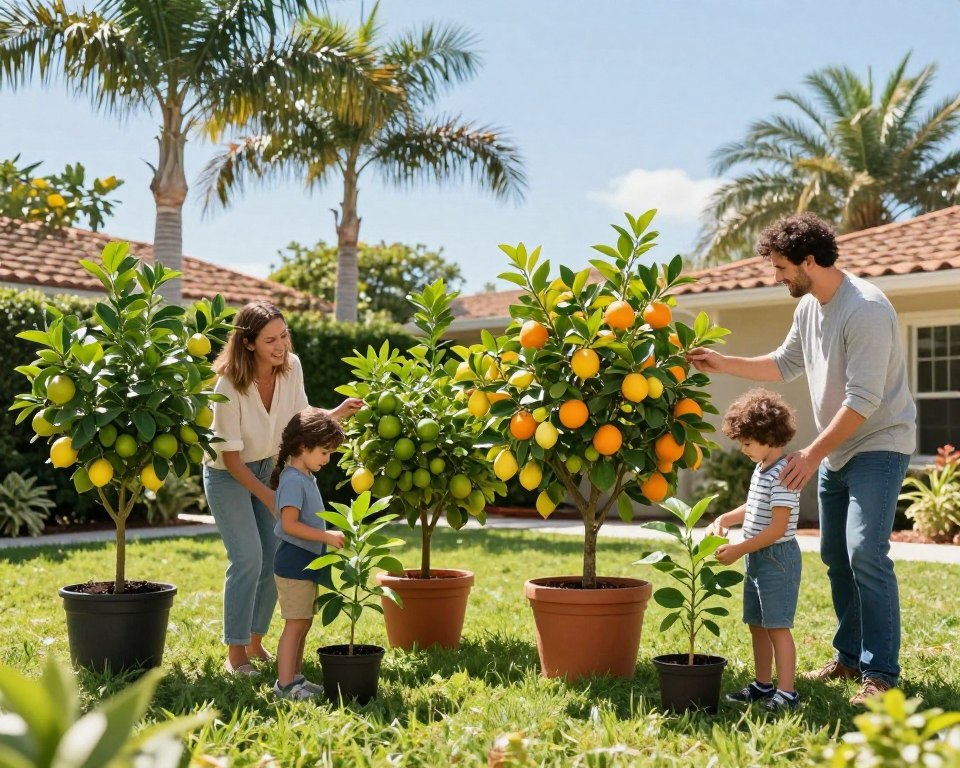
Pick oranges, grapefruit, lemons, or limes based on taste, available space, and harvest goals. Compact or dwarf varieties work well on patios and small yards.
- Different varieties ripen at different times, so variety choice affects overall fruit availability.
- At purchase, make sure the tree has healthy leaves, no visible pests, and a root ball that is not severely pot-bound.
Sun, soil, and drainage basics for Florida yards
Aim for full sun when possible—about six hours daily—to support flowering and fruit production. Partial sun will reduce yields.
Most yards have sandy soil that drains quickly; clay pockets hold water. In heavy clay, add organic matter to improve structure.
Avoid low spots where water stands. Choose slightly elevated sites and do not place trees where irrigation or downspouts constantly soak the trunk area.
Spacing and planning for mature size
Plant at least six feet from other plants or structures; more space improves airflow and access for maintenance.
- Match the tree’s mature canopy size to the available area to reduce pruning needs.
- Crowded canopies dry slower after rain, which raises disease pressure; spacing lowers that risk.
How to plant citrus trees in the ground and help roots establish fast
A focused routine for soil prep, correct hole size, and steady watering helps young trees set strong roots quickly.
Site prep by soil type
In sandy soil, mix 20–30% organic matter to hold moisture without creating a bathtub. In clay pockets, add compost and coarse material to improve drainage and structure.
Step-by-step planting workflow
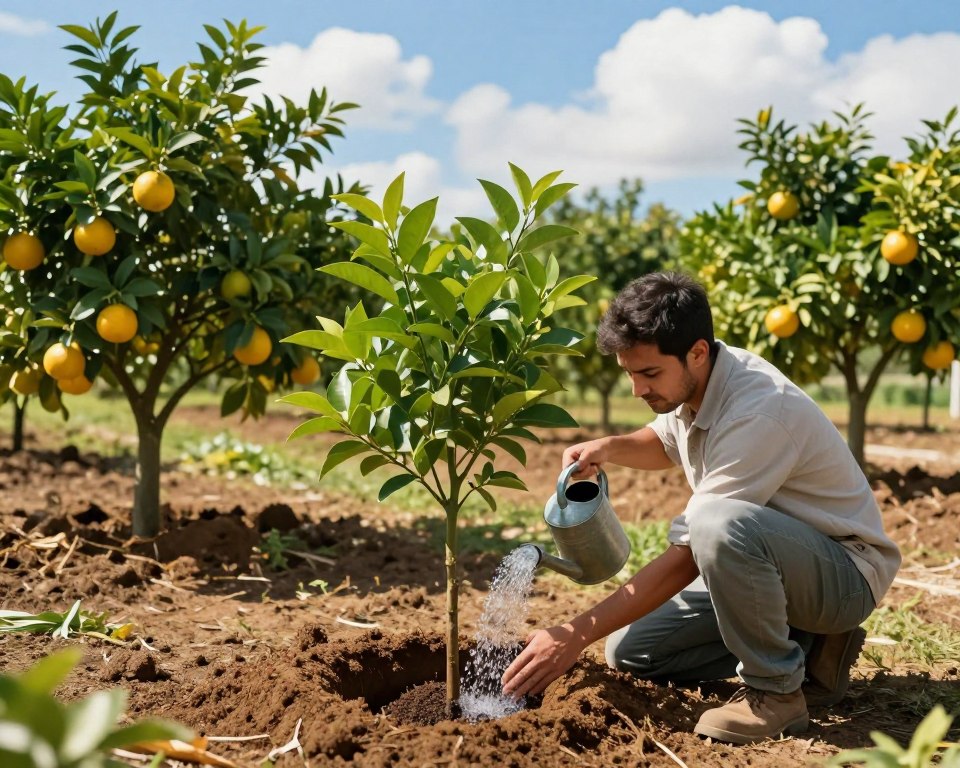
- Dig a hole 1.5–2× the root ball width; make it wider than deep.
- Remove the pot, loosen circling roots, and place the root flare level with the ground.
- Backfill with native soil, firm gently by hand, and water to settle air pockets.
- Build a watering berm around the root zone to keep irrigation focused.
- Apply 2–3 inches of mulch over the root zone, keeping mulch a few inches from the trunk.
Establishment care
Water deeply about once a week, adjusting for rainfall, drainage speed, and heat. Fertilize during the growing season every 6–8 weeks with a citrus-specific product per label.
Limit pruning at planting; plan structural cuts in late winter or early spring. Monitor for scale, aphids, canker, and greening. Use horticultural oil or insecticidal soap as first-line controls and identify diseases before treating. Protect young trees during cold snaps and reduce watering just before freezes for protection.
Conclusion
Give young trees several months of steady root growth before the region’s harshest weather for the best chance of success.
Two practical windows work across the state: a summer–fall stretch that uses warm soil and seasonal rains, or late winter–early spring when roots can strengthen before summer heat.
Focus on three checks over calendar dates: full sun, good drainage, and the root flare set level with the ground.
Watch local forecasts for heat, rain, or freezes and adjust planting weeks accordingly. In year one, water deeply and regularly, keep mulch off the trunk, and limit pruning until late winter or spring.
Choose oranges, lemons, or other varieties that fit your space and care plan so the selected tree matches long‑term goals.
FAQ
When is the ideal window for putting citrus trees into Florida yards?
Why do some nurseries recommend late winter or early spring instead?
How should regional differences in Florida affect the planting decision?
What weather signals should homeowners watch before putting a young tree in the ground?
Does using container-grown stock change when to set a tree in the yard?
Which citrus varieties suit Florida home gardens best?
What sun, soil, and drainage conditions are needed for healthy growth?
How much space should be allowed between trees?
What soil preparation helps roots establish quickly in sandy landscapes?
How large should the hole be and how deep should the root ball sit?
What are the steps for backfilling and eliminating air pockets?
How should mulch be applied to protect roots without inviting trunk rot?
What watering routine helps a newly planted tree establish in Florida conditions?
When and how often should newly planted trees receive fertilizer?
When is pruning recommended in Florida to improve airflow and fruiting?
What pests and diseases should Florida homeowners watch for first, and what are simple controls?


