
 0
0
 0
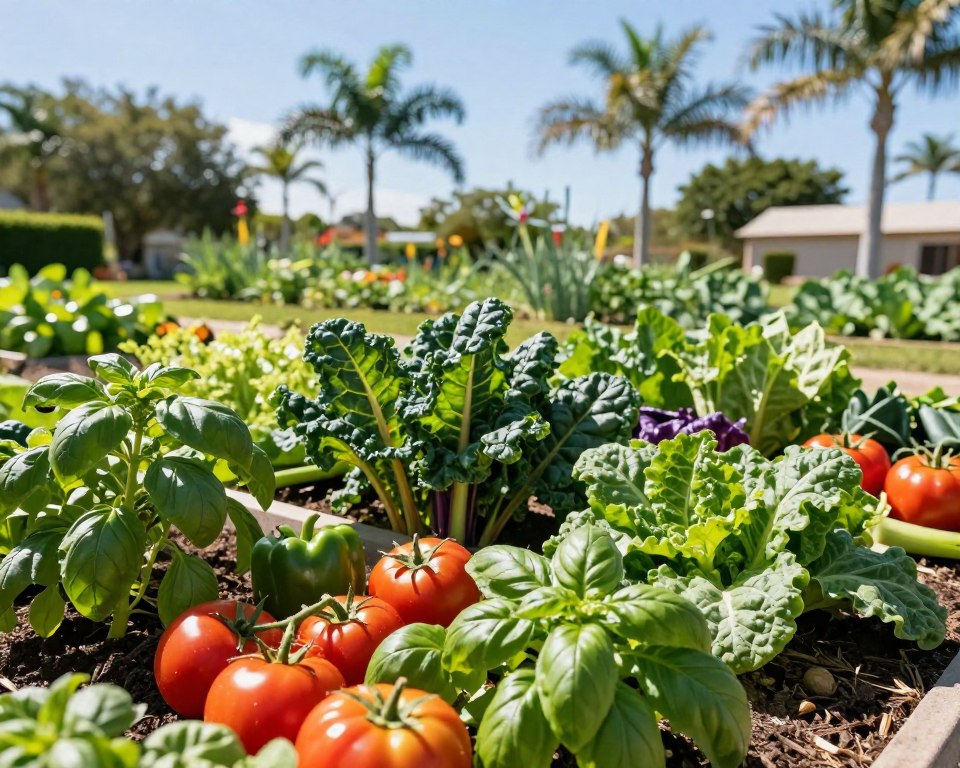
0 The first step to a productive Florida summer garden is choosing crops that handle heat, humidity, and sudden downpours.
Imagine warm nights, heavy afternoon rain, and sandy soil — that’s the daily backdrop, and it shapes every planting choice.
This guide focuses on reliable performers across roots, greens, fruiting crops, legumes, and squashes so you can match crop type to yard size and kitchen needs.
Success depends on variety selection, timely watering, mulching, and adjusting light exposure to cut disease pressure during wet spells.
Readers will also learn what tends to fail here, saving time and frustration by avoiding common mismatches between crop and local weather.
Key Takeaways
- Pick heat- and humidity-tolerant varieties suited to Florida summer conditions.
- Match crop categories to space and cooking needs: roots, greens, fruiting, legumes, squashes.
- Use mulch, proper watering, and light management to reduce disease during rainy periods.
- Variety choice is as important as the crop itself when disease pressure is high.
- Avoid traditional cool-season staples that typically fail in high heat and humidity.
What Florida Summer Weather Means for Your Vegetable Garden
Florida’s hot, humid months reshape what will thrive in a backyard vegetable plot. Hot days, muggy nights, and sudden rain change disease risk and the window for harvest.
Why heat, humidity, seasonal rains, and sandy soil change what grows well
High heat and humidity raise disease pressure. Leaf spots and mildews spread fast during long wet spells, so variety choice matters more than extra effort alone.
Sandy soil drains quickly, warms fast, and loses nutrients after heavy rain. Plants that tolerate moisture swings and low fertility do better here.
How to pick Florida-friendly varieties
- Choose disease- and fungus-resistant varieties to cut losses during wet stretches.
- Prefer early-maturing cultivars so harvest finishes before peak summer heat.
- Use low-chill types when selecting crops that come from cooler zones; this shortens the needed cool period.
What usually fails in steamy months
Carrots, beets, turnips, and many potato plantings do poorly in this period and are typically winter crops here. Traditional tomatoes often struggle with wilts and pests during summer heat; consider swapping varieties or planting alternate crops to save time and space.
Best vegetables for florida summer that thrive in heat and humidity
Heat-tolerant crops and tropical greens make the difference between a stalled bed and steady harvests. Below are practical choices and quick tips to help you pick and manage reliable plants during the hot months.
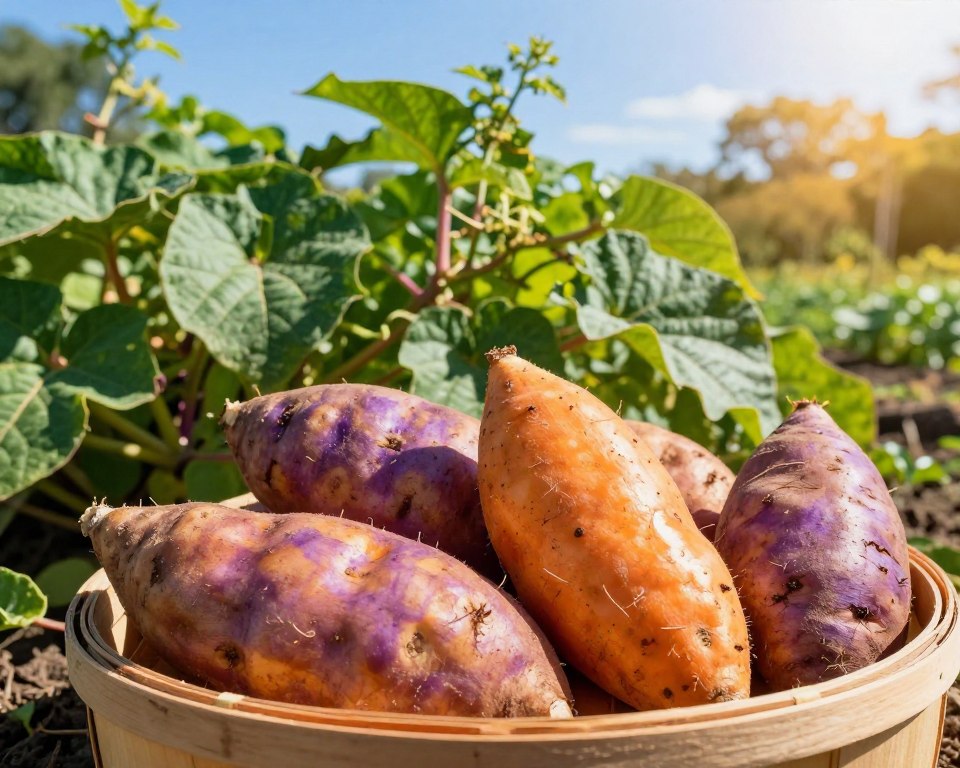
Heat-loving roots: sweet potatoes, boniato, and cassava (yucca)
- Why they work: Tolerant of high temperatures and variable soil; vines or wide spacing soak up light and warmth.
- Planting note: Give sweet potato plenty of room; vines spread and can suppress weeds.
- Cassava safety: Produces starchy roots but must be cooked thoroughly; never eat raw and follow reliable prep guidance.
Leafy greens that don’t quit
- Options: Malabar spinach, Okinawa, longevity spinach, and amaranth act as summer spinach alternatives.
- Use: Harvest leaves young. Amaranth and sweet potato leaves cook like boiled greens.
Southern staples and fruiting crops
- Okra & eggplant: Thrive with long warm seasons; harvest okra young and keep eggplant evenly moist.
- Peppers & tomatoes: Warm nights boost peppers but very high temperatures can stress them; choose heat-tolerant types like cherry tomatoes and ‘Heat Wave II’, or try tomatillo and Everglades tomato.
- Beans & peas: Southern peas, long bean, and winged bean suit summer beds and add nitrogen to soil.
Tropical squashes that outperform zucchini
- Seminole pumpkin and calabaza store well; chayote, luffa, and long squash tolerate heat and humidity.
- Let luffa dry for a secondary use as a sponge.
| Crop group | Why it fits | Planting tip | Common issue |
|---|---|---|---|
| Roots (sweet potato, boniato) | Handles heat and poor soil | Space vines widely | Needs consistent moisture at tuber set |
| Cassava | Very heat tolerant; starchy root | Grow in well-drained beds | Must be cooked; avoid raw |
| Tropical greens | Produce through heat | Pick leaves regularly | Slow during extreme drought |
| Tropical squash & legumes | Tolerate humidity and heat | Support climbers; add mulch | Pest pressure in wet spells |
Summer planting and care tips to beat Florida’s summer heat
A clear watering and protection routine helps gardens hold steady through hot, wet months. Small, regular steps reduce stress on plants and limit disease during heavy rains.
Watering strategy: timing, consistency, avoid overwatering
- Water early in the morning and again in the evening when needed. Midday watering wastes water to evaporation.
- Check soil moisture 2 inches down in sandy beds before adding water. If that layer is damp, wait.
- Avoid overwatering: saturated soil raises rot and fungal risk and can reduce flavor in some crops.
- Adjust frequency by rainfall and how fast beds dry. Use the same routine during dry months and cut back after storms.
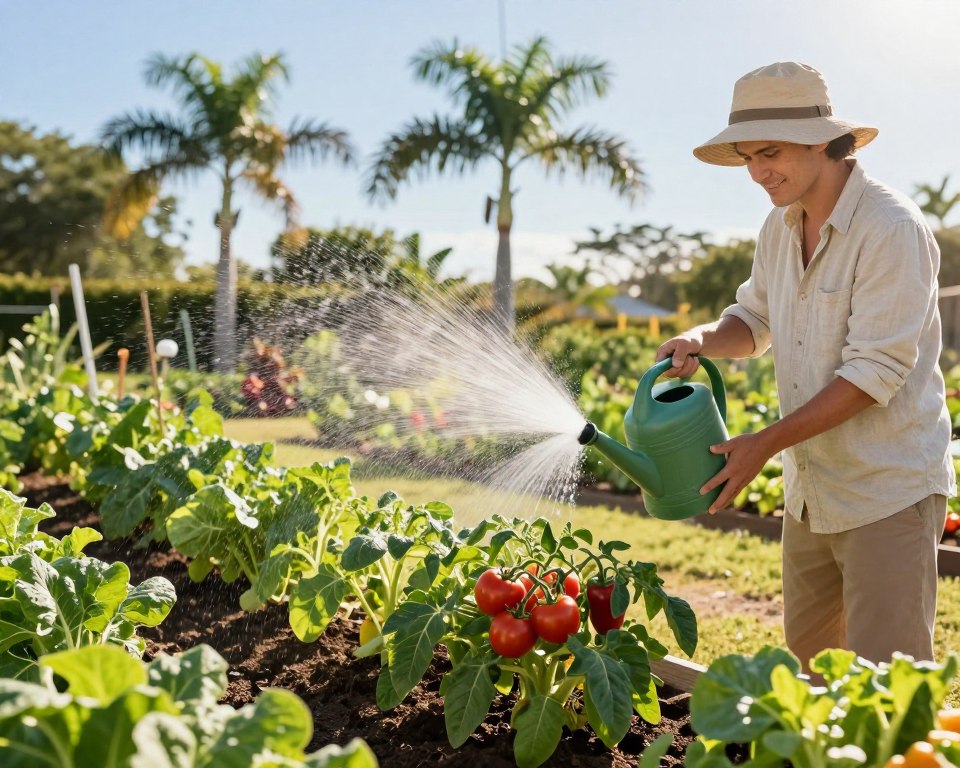
Mulch, shade, and wind protection to slow evaporation
- Mulch slows evaporation, cools soil, and blocks weeds. Wait until seedlings are established before placing heavy mulch near stems.
- Use temporary shade cloth or row covers for harsh afternoons. Natural shade works too and avoids extra setup time.
- Wind barriers—fencing or shrubs—reduce drying without stopping airflow. Strong breezes speed evaporation and stress plants.
- Tie care to crop type: sprawling vines act as living mulch, while upright crops like okra benefit from a mulched base.
| Tactic | Why it helps | Timing |
|---|---|---|
| Morning/evening watering | Less evaporation, deeper soak | Daily or every other day as needed |
| Mulch | Retains moisture, cools soil | After seedlings set |
| Shade cloth | Limits heat stress | Afternoon peak sun |
For a timing reference on irrigation routines, see guidance on how long to water grass. Apply the same principle: short, deep cycles beat frequent shallow sprays.
Conclusion
A garden that fits the climate—rather than fighting it—yields the most consistent results across hot months. Match crops and varieties to heat, humidity, sandy soil, and rainy stretches instead of forcing cool-season standards.
Prioritize proven performers: tropical greens, heat-tolerant fruiting crops, and Florida-friendly roots. Pick disease-resistant varieties where possible to cut mildew and wilt during wet weather.
One practical next step: make a short list of crops that suit your beds, containers, or trellis space and commit to steady watering plus mulch.
Save some crops for the cool season. For uncommon seeds and starts, check local garden shops, southern seed catalogs, and plant swaps. For region-specific timing and recommendations, contact your county Extension office or consult this local reference: local crop guidance.
FAQ
What makes Florida summer weather different for a garden?
Which root crops handle Florida heat and poor soil well?
Are there leafy greens that grow through Florida’s hot months?
What staple crops reliably produce in long, warm seasons?
Which pepper varieties do well in hot months?
What tomato choices work when summer temperatures climb?
Can beans and peas be grown in Florida’s hot season?
Which summer squashes beat zucchini in this climate?
What watering schedule works best during hot spells?
How do mulch, shade, and wind protection help summer crops?
Which crops should be avoided in July and August?
How can soil be improved to support summer production?
When is the best time to plant heat-tolerant crops in Florida?


