

 0
0
 0
0 What to do if bitten by a snake in Florida matters the moment skin is pierced; fast, calm action can make a big difference. Picture warm, humid air and quick swelling at the wound — your priority is steady steps that slow venom spread and get the injured person professional care.
Treat every suspected venomous bite as an emergency. Florida hosts pit vipers and coral species, so assume serious risk unless a safe, clear identification and mild symptoms exist. Keep the person still, limit movement, and arrange rapid transport to a hospital with antivenom and trauma resources.
Key Takeaways
- Act quickly and calmly; prioritize getting medical care.
- Assume venom risk in Florida unless clearly nonvenomous.
- Limit movement and keep the bite below heart level if possible.
- Do not try to catch or chase the animal; saving time matters more.
- Record incident details for clinicians and watch for worsening signs.
Immediate First Aid Steps for Snake Bites in Florida
Start simple and steady: a few clear actions can slow venom spread and buy time. Follow a calm, ordered plan and get professional help quickly.
- Call 911 right away and report a suspected venomous bite. Follow dispatcher instructions and arrange the fastest safe route to emergency care.
- Keep the person calm and still. Have them lie down and keep the bitten limb at or just below heart level to limit venom movement.
- Remove rings, watches, and tight clothing before swelling increases. Swelling can cause dangerous constriction fast.
- Do not chase or handle the animal. If safe, note basic features (color pattern, rattle) without delaying transport.
- If trained and transport will be long, pressure immobilization may be used only for suspected coral bites. Do not use it for pit viper bites common here.
- Gently clean visible dirt and cover the wound with a loose, dry dressing. Do not apply ice, cut, suction, use a tourniquet, or shock the area.
- Keep the person warm, minimize movement, and monitor for worsening signs. Inform 911 of any change so responders can prepare antivenom and urgent care.
Venomous Snakes You May Encounter in the United States (Florida Included)
Many venomous snakes in the United States fall into two clear groups: pit vipers and elapids. Know the basics so you can stay safe without risking identification attempts.
Pit vipers
Pit vipers include rattlesnakes, copperheads, and cottonmouths (water moccasins). They have long, hinged fangs. Bites often cause quick local pain and swelling. Their venom can harm blood and tissue, so prompt hospital care matters.
Elapids
Elapids include coral snakes. They have short, fixed fangs and mainly neurotoxic venom. Neurotoxic effects can appear later and affect breathing and nerves.
- Give these animals space: back away slowly and avoid sudden moves.
- Describe general features safely for clinicians; do not try capture or handle.
- Cottonmouths favor water edges; watch shorelines and marshy areas where humans and snakes cross paths.
| Group | Fang type | Primary effect |
|---|---|---|
| Pit vipers | Long, hinged | Local pain, swelling, tissue/blood damage |
| Elapids (coral snake) | Short, fixed | Neurotoxic effects, delayed breathing issues |
| Advice | Do not handle | Seek hospital care for any suspected venomous snake encounter |
How to Recognize Symptoms of Envenomation
Recognizing early signs of envenomation helps you act quickly and avoid delays. Look for clear local changes first. One or two puncture marks, sudden pain, redness, and swelling on the skin are common initial clues.
Systemic signs
Systemic symptoms can appear within minutes or hours. Watch for nausea, vomiting, tingling around the mouth or in fingers, and overall weakness in the body.
Severe warning signs
Difficulty breathing, an allergic reaction such as anaphylaxis, or signs of shock require immediate help. Look for pale, clammy skin, a fast pulse, confusion, or loss of consciousness.
- Coral envenomation may show delayed neurological effects: drooping eyelids, slurred speech, new trouble breathing.
- Pit viper effects often include spreading swelling, bruising, and blood oozing at the wound.
- Children, older adults, and people with medical conditions can worsen faster; seek evaluation early.
| Sign type | Common examples | When it becomes urgent |
|---|---|---|
| Local | Puncture marks, pain, redness, swelling | Rapid spread of swelling or rising pain |
| Systemic | Nausea, vomiting, tingling, weakness | Multiple body systems affected or worsening |
| Severe | Difficulty breathing, anaphylaxis, shock, paralysis | Any breathing trouble, fainting, or confusion |
what to do if bitten by a snake in florida
Quick, steady steps can limit harm and buy vital time after a bite.
- Call 911 immediately. Early emergency care improves treatment options and outcomes.
- Keep the person calm and very still. Hold the bitten limb at or slightly below heart level to slow venom spread.
- Remove rings, watches, or tight clothing near the wound. Keep any dressing loose while you move toward help.
- If trained and you suspect a coral species, consider pressure immobilization only when transport will take a long time. Do not use this method for pit viper bites.
- Never apply a tourniquet, cut the skin, try suction, use electric shock, or apply ice. These actions cause more harm than good.
- If the wound is dirty and a quick rinse is possible, wash briefly with soap water, then head straight for the hospital.
- Note the exact time of the bite and any changes. Tell clinicians this; it guides antivenom and ongoing care.
| Action | Why it matters | When hospital care is needed |
|---|---|---|
| Call 911 | Alerts emergency team and speeds transport | All suspected venomous snake bite emergencies |
| Limit movement | Slows venom spread and reduces complications | Immediate—while awaiting EMS or en route |
| Brief soap water rinse | Removes surface dirt without delaying care | Only if quick; otherwise skip and go to hospital |
| Record time and changes | Helps clinicians choose appropriate treatment | Upon arrival at hospital or during transport |
Critical Don’ts: Actions That Worsen Snake Bites
Avoid quick fixes that can make a bite worse; some common responses cause real harm.
Follow firm, simple rules. These choices protect tissue and keep blood flow stable while you get help.
- Do not apply ice: Ice increases tissue damage and does not stop venom spread.
- Never use a tourniquet: Cutting off circulation concentrates venom and risks loss of tissue.
- Don’t cut the wound or try to suck venom: Both raise infection risk and remove negligible venom.
- Avoid electric shock devices: They offer no benefit and cause added injuries needing medical care.
- Skip alcohol and caffeine: These change circulation and cloud judgment during transport.
- Do not try to capture or kill the snake: Chasing the animal risks further bites and delays care.
- Do not apply tight pressure wraps for pit viper bites: Incorrect pressure acts like a tourniquet and worsens blood and tissue effects.
Focus on immobilization, rapid evacuation, and clear communication with EMS. Those steps help clinicians provide prompt, effective treatment.
| Unsafe action | Why it harms | Safer alternative |
|---|---|---|
| Apply ice | Increases tissue damage and cooling does not limit venom | Keep limb warm and still; seek transport |
| Use tourniquet | Concentrates venom, risks severe tissue loss | Limit movement and keep limb at or below heart level |
| Cut or suck wound | Raises infection, removes little venom | Cover with loose, dry dressing and go to hospital |
| Electric shock | No clinical benefit; causes injury | Call EMS and avoid home remedies |
Transport and Hospital Care: What to Expect
A swift trip to the emergency department starts a clear, stepwise process you can rely on. Treat transport as part of the emergency plan; faster arrival at the hospital means earlier assessment and better treatment.
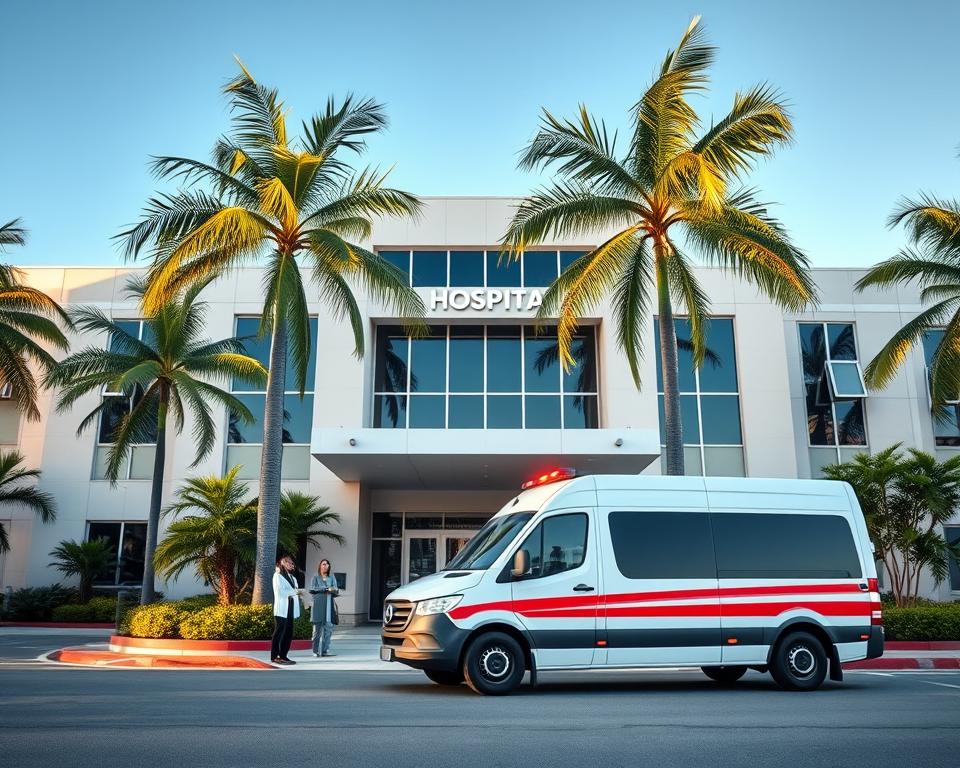
Why every suspected venomous bite is an emergency
All suspected venomous snake bites require urgent hospital evaluation. Clinicians assume potential systemic effects and act quickly to protect the body.
Assessment, monitoring, and antivenom decisions
At triage, staff check vital signs, control pain, and inspect the wound. You can expect blood tests that look at clotting, organ function, and red cell counts.
Clinicians monitor breathing and heart function closely. They watch for difficulty breathing, signs of shock, or worsening swelling that need rapid intervention.
Antivenom is given based on clinical severity, lab trends, and how symptoms progress — not just on identifying the snake. Teams may mark and time swelling, repeat labs, and reassess often to track venom effects.
- Faster arrival means earlier decisions and more treatment options at the hospital.
- Staff will explain whether admission or discharge with close follow-up is best for recovery.
- If new symptoms appear, tell the team right away — updates guide care and improve outcomes.
| Step | What happens | Why it matters |
|---|---|---|
| Triage | Vitals, pain control, wound check | Sets priority and early interventions |
| Labs | Blood clotting, organ markers, repeat tests | Detects venom effects across the body |
| Monitoring | Breathing, heart, swelling | Identifies urgent needs like respiratory support |
Before you leave the hospital, ask about activity limits, wound care, follow-up, and signs that require immediate return. Clear instructions help you recover safely.
Florida-Focused Prevention to Reduce Snake Bite Risk
A few practical habits lower the chance of snake bites while you enjoy Florida’s outdoors. These steps focus on prevention, not panic. Use them at trails, yards, and near water.
Smart habits on trails and at the water’s edge
Watch foot and hand placement. Step over logs carefully and check before you reach into brushy area edges. Wear closed-toe shoes and long pants in thick vegetation.
Keep distance and avoid handling
Give snakes space and back away calmly. Most bites happen when people try to catch or corner an animal. Teach kids and pets to admire wildlife from afar.
Yard and home steps
Remove shelter and prey. Trim lawns, store firewood off the ground, and clear debris piles. Fewer rodents means fewer snakes attracted to your area.
Barriers and repellents
Use gates, fine-mesh fencing, and door sweeps to limit access. Consider repellents only as a last measure and pair them with habitat management.
- Keep sheds sealed and clear clutter that may hide snakes.
- When paddling or fishing, scan shorelines and move away if you see a snake.
- Report large snake sightings on public trails so others and local managers can take action.
| Risk area | Simple fix | Why it helps |
|---|---|---|
| Trails & boardwalks | Watch steps, wear shoes | Reduces lower-leg bites |
| Yards | Remove prey, trim grass | Less shelter for snakes |
| Water edges | Keep distance, scan banks | Avoid surprise close encounters |
Conclusion
Quick, calm actions after a bite make the biggest difference in outcomes. Call 911, limit movement, and get fast transport. These steps give clinicians time to assess symptoms and choose proper treatment.
Watch the wound for spreading pain or swelling, nausea, tingling, or changes in breathing or consciousness. Those signs point toward systemic effects on blood, nerves, or the heart and require emergency care.
Avoid cutting, suction, ice, or tourniquets. Coral snake exposures may need pressure immobilization only when trained hands face long transport. Each year thousands of venomous snake bites occur in the U.S.; early medical care keeps serious outcomes rare.
Stay alert outdoors, keep yards tidy, and report any dangerous sightings. If you face a bite, stay steady, describe your symptoms and timing clearly, and let professionals guide care.
FAQ
What are the immediate first aid steps after a suspected venomous bite?
Should you chase or try to trap the snake for identification?
When is pressure immobilization appropriate?
Which venomous species are commonly found in Florida and the broader United States?
What local signs suggest envenomation at the wound site?
What systemic symptoms indicate serious envenomation?
Are there life‑threatening signs that require urgent action?
Can I apply ice or use a tourniquet on the wound?
Is it safe to cut the wound, suck out venom, or use electrical shocks?
Should the person drink alcohol or caffeine after a bite?
Why is every suspected venomous bite considered an emergency?
What happens at the hospital after arrival?
How can residents and visitors reduce risk around Florida yards and trails?
Are repellents or barriers useful around homes?
What should I tell emergency responders about the incident?
Can children or older adults suffer different effects from envenomation?


