
 0
0
 0
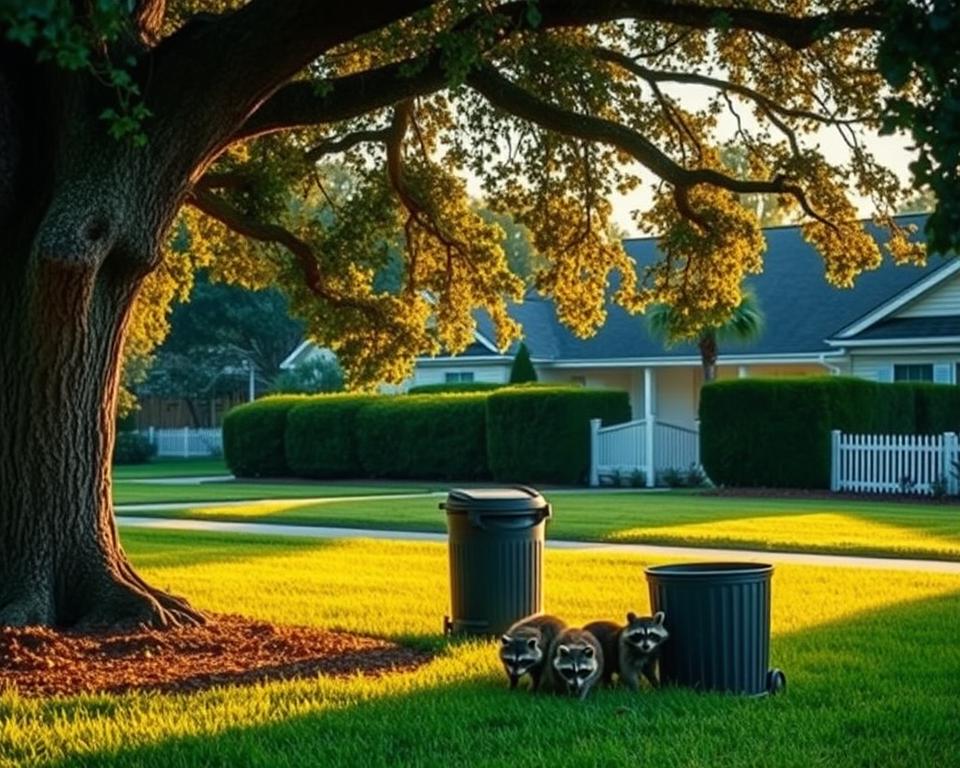
0 The phrase how to deter raccoons in Florida brings up humid nights, overturned trash cans, and soft scurrying on a screened lanai roof. I’ve watched them pry lids and follow scent trails, and that messy crop of clues shows why simple fixes beat gimmicks.
Start by removing what draws them: exposed pet food, fallen fruit, and loose lids. Then seal holes around vents and trim branches that give raccoons easy roof access. These quick steps protect your property and make your home less attractive.
Remember health risks: rabies and roundworm eggs can linger in latrines, so use caution during cleanup. If you find a mother with kits, call a professional; humane timing avoids orphaning young and gives homeowners a safe, long-term solution.
Key Takeaways
- Remove food sources first for the fastest results.
- Seal gaps, reinforce vents, and add chimney caps to block access.
- Trim branches and secure trash to cut off common entry routes.
- Avoid repellents; consistent exclusion and cleanup work best.
- Use professional help for mothers with young or risky latrine cleanup.
Quick wins to make your property less attractive to raccoons
Start with fast, practical fixes that cut easy rewards. Bring outdoor pet bowls inside after meals. Leftover kibble is a nightly buffet for animals.
Store garbage in wildlife-proof containers or inside a garage until pickup day. Secure lids on trash cans and remove strong food scents.
- Take bird feeders in at sunset and sweep up spilled seed.
- Rinse grills and lock outdoor kitchen items so smells do not lure visitors.
- Dump standing water and cover ponds at night to remove easy water rewards.
- Trim any branch touching the roof and clear dense ground cover near walls.
- Add motion-activated lights or sprinklers at problem spots to interrupt approach paths.
Walk your yard at dusk with a flashlight. Note tracks, messy areas, and likely entry points. Make sure everyone in the household follows the routine so raccoons learn the property is no longer worth returning to.
| Action | Why it works | Timeframe |
|---|---|---|
| Bring pet bowls inside | Removes easy nightly food source | Immediate |
| Lock trash cans | Eliminates strongest attractant | Same day |
| Trim branches and clear cover | Blocks quick roof access and hiding spots | 1–3 days |
| Install motion lights/sprinklers | Interrupts approach patterns at hotspots | 1 week |
Remove food, water, and shelter that keep raccoons coming back
Start by cutting off the easy rewards that bring nighttime visitors onto your yard.
Trash cans and garbage control: Use wildlife-proof trash cans with tight lids. Store cans inside a garage or shed until pickup day. Add bungees or rope for extra security and freeze smelly scraps between collections.
Pet food and water routines: Feed pets indoors when possible. If you must feed outside, serve set meals, remove bowls immediately, and bring water dishes in at night. Consider microchip-enabled pet doors so animals cannot follow scent trails into your home.
- Bird feeders and seed: Take feeders in at sunset or remove them for a week. Hang feeders on thin poles or suspend from a wire. Store seed in galvanized metal cans with tight lids.
- Compost, grills, and kitchens: Use latching compost bins and avoid meat or dairy. Clean grills, empty grease trays, and close outdoor kitchen drawers every night.
- Ponds and shelter: Keep ponds ≥ 3 feet deep and add hiding structures. Clear brush piles, elevate wood, and block access under decks to deny shelter.
| Action | Purpose | Tools | Timeframe |
|---|---|---|---|
| Wildlife-proof trash cans | Reduce food attractant | Bungees, metal cans, indoor storage | Immediate |
| Feed pets indoors | Stop nightly feeding cues | Set meal routine, microchip door | Same day |
| Remove feeders at night | Break feeding habit | Thin poles, stovepipe baffle, metal seed can | 1 week trial |
| Secure compost & clear shelter | Eliminate den sites and odors | Enclosed composter, remove brush | 1–3 days |
Find and fix entry points before raccoons move in
Walk your property at dusk with a bright flashlight and note any weak spots around siding, vents, and eaves.
Seal openings, gaps, and weak spots around the house. Mark loose soffits, cracked trim, and holes near the roofline. Raccoons can push through openings about 3.5 inches wide and will enlarge small cracks into dens.
Chimney caps, attic vents, and soffit reinforcements
Install an NFPA-approved expanded metal chimney cap. Reinforce attic and gable vents with 16-gauge 1×1 welded wire behind existing screens. Skip foam-only fixes; use metal flashing or wire mesh instead.
Trim tree limbs and remove easy roof access
Cut branches that touch or overhang the roof. Those limbs are simple ladders for wildlife and make repairs less effective if left unchecked.
How to tell if raccoons are already using your home
Look for 3–4 inch hand-like tracks, oily rubs at openings, or sooty prints on downspouts. Nighttime scuffling, kits’ vocalizations, and latrines in voids are clear signs of activity.
- Do a full exterior walkaround at dusk and mark gaps.
- Seal holes with metal flashing or 16‑gauge wire mesh.
- Screen crawlspace vents and block under-deck access with buried mesh.
| Problem | Fix | Check again |
|---|---|---|
| Loose soffit or vinyl trim | Screw metal backing and add wire mesh | After next storm |
| Open chimney or vent | Install NFPA metal cap and screen | Seasonal inspection |
| Tree limb touching roof | Trim back 6–8 feet from structure | Every year |
Make sure you pause and hire a professional for latrine cleanup or if a mother with kits is present. Proper control keeps your home safe and reduces future damage.
Targeted ways to keep raccoons away from high-risk areas
A few area-specific moves protect gardens, feeders, ponds, and coops without harming wildlife. Use low-effort barriers and routine checks to cut visits quickly.
Protect gardens, lawns, and ponds
- Ring garden beds with capsaicin-based repellents and aim motion-activated sprinklers low to startle without injury.
- Reduce nightly watering so the surface dries; raccoons dig less on dry ground.
- Make ponds ≥ 3 feet deep and stack rock or cinder-block hideaways so fish have cover. A temporary net and a radio for a few nights can break bad routines.
- Where allowed, a single-strand electric wire 4–8 inches off the ground can be an effective barrier; follow local rules and safety steps.
Keep bird feeders and stored seed secure
- Take bird feeders in at night or remove them for a week to reset behavior.
- Use thin poles (≤ 0.5 inch) or suspend feeders on wires and add a 24-inch stovepipe baffle with the bottom 4 feet high.
- Switch to seed-catch feeders and store seed in galvanized metal cans with tight lids to keep the ground clean.
Build a raccoon-resistant chicken coop
- Use framed walls, a solid roof, and an automatic pop door that closes at dusk.
- Cover openings with 16‑gauge 1×1 welded wire and bury an L-shaped footer ~1 ft deep and 4–6 in wide to block digging.
- Patrol the perimeter weekly and after storms for fresh holes or pry marks.
Reduce pet conflicts and safeguard small animals
- Feed pets indoors, supervise dogs outside, keep vaccinations current, and consider microchip-enabled pet doors.
- Keep rabbits and other small animals inside at night and call a vet after any contact with wild animals.
| Risk Area | Practical Fix | Timeframe | Why it works |
|---|---|---|---|
| Garden beds | Capsaicin ring + motion sprinkler | Immediate | Repels scent seekers and interrupts approach |
| Bird feeders | Remove at night + stovepipe baffle | 1 week trial | Stops food reward and relaunch points |
| Pond | 3-ft depth + hiding structures | 1–2 days setup | Protects fish and reduces raids |
| Chicken coop | Welded wire + buried L-footer | 1–3 days build | Prevents climbing and digging entry |
These targeted ways offer clear examples and safe measures you can use tonight. Small changes add up fast and help get rid of repeat visits without harsh tactics.
How to deter raccoons in Florida when they’re already on your property
If a night visitor appears inside your home, stay calm and keep people and pets apart.
Immediate steps for an indoor encounter:
- Close interior doors to limit areas the animal can reach.
- Open an outside door or large window that leads directly out of the house.
- Use slow movement and a broom held low to guide the animal toward the exit. Do not corner it.
- If it hesitates, leave a small trail of marshmallows or cheese and dust flour at the threshold to confirm exit prints.
- If the animal won’t leave after several hours, contact local animal control for safe removal.
Attic and crawl space: encourage a mother to relocate kits safely
If you suspect a mother with kits in the attic, wait when possible. Kits typically leave at about 10 weeks.
At dusk, try bright lights, a loud radio and a bowl of cider vinegar near the entry. Use a newspaper test for 2–3 days to confirm vacancy before sealing entry points with 16‑gauge wire mesh or metal flashing.
Chimney steps and prevention
Never use smoke or fire. Close the damper, place a radio and vinegar in the fireplace, and give evenings for the animal to leave. After departure, hire a certified sweep and fit an NFPA-approved cap to prevent repeat access.
When to call animal control or a licensed wildlife professional
If a raccoon shows signs of illness, won’t exit, or if young are present and at risk, call a licensed wildlife pro. They can install humane one-way doors and handle latrine cleanup per CDC guidance.
Health and safety: disease risks, cleanup, and when to avoid contact
Wildlife on your property can carry diseases that affect people and pets. Stay calm and follow clear steps if you spot a suspect animal or find droppings.
Rabies, distemper, and unusual daytime activity
Raccoons are known rabies carriers, but daytime sightings alone do not prove illness. Watch for true warning signs: paralysis, staggering, repeated high-pitched vocalizations, self-mutilation, or sudden unprovoked aggression.
If you see any of those signs, do not approach. Call local animal control or police immediately. Note the location and behavior so responders can act fast.
Roundworm and latrine cleanup safeguards
Clusters of feces in an attic, crawlspace, or on the ground are latrines and can contain roundworm eggs dangerous to humans. Treat these areas as hazardous.
Hire trained crews for cleanup or follow CDC steps: wear disposable gloves, a mask, and eye protection; dampen droppings before removal; double-bag waste and disinfect surfaces. Keep kids and pets away until the area is sanitized.
Leptospirosis and safe handling practices
Urine can spread leptospirosis through wet soil or standing water. Restrict access to contaminated areas, dry and disinfect surfaces, and seek veterinary care if pets were exposed.
Never handle live or dead raccoons. If an animal shows neurological signs or is unusually bold, contact animal control or police. Keep vaccinations current for pets and call your veterinarian after any bite or contact.

| Risk | Signs | Immediate action |
|---|---|---|
| Rabies / neurological illness | Staggering, paralysis, aggression, shrieking | Do not approach; call animal control or police |
| Roundworm (latrine) | Clusters of feces in confined spaces | Wear PPE; hire pros or follow CDC cleanup steps |
| Leptospirosis | Possible contamination of wet ground or puddles | Restrict area; dry and disinfect; vet visit for exposed pets |
Conclusion
A simple routine makes your property less inviting: remove easy meals, secure trash and cans, and keep lids tight. Do this first and you will get rid of most nightly visits.
Make a short checklist for the yard and garden. Bring bird feeders in at night, store seed in metal cans, and sweep fallen seed. Walk the grounds after storms and fix gaps in siding and the attic quickly.
Install chimney caps and strong vent screens. Homeowners who stay consistent see the best results. If a family is present or problems persist, call a licensed wildlife pro for humane eviction. These steps help keep raccoons away and prevent future damage to your home and property.
FAQ
How can I quickly make my property less attractive to raccoons?
Which trash can setup actually keeps animals from tipping or raiding garbage?
What should I do about pet food and water bowls outside?
How do I keep seed and bird feeders from attracting unwanted wildlife?
Are compost piles and grills a problem, and what can I do?
Do water features or ponds draw raccoons, and how can I protect them?
How do I find and seal entry points before critters move into my attic or walls?
What should I do about chimneys, attic vents, and soffits?
How can trimming trees reduce roof access for raccoons?
How can I tell if a raccoon is already using my home for shelter?
What are humane, on-site tactics to guide a raccoon back outside?
How do I encourage a mother raccoon to move her kits from an attic or crawl space safely?
What actions should I take if a raccoon is trapped in my chimney?
When is it time to call animal control or a licensed wildlife professional?
What disease risks do raccoons pose, and when is daytime activity worrying?
How should I handle latrine sites and roundworm contamination?
Is leptospirosis a concern and what precautions reduce risk?
Can I protect gardens, lawns, and ponds without harming wildlife?
How do I keep raccoons off bird feeders and out of stored seed?
What makes a chicken coop raccoon-resistant?
How can I reduce conflicts between raccoons and pets?


