
 0
0
 0
0 how to avoid jellyfish in florida beaches is a practical skill for anyone planning a shore day in the Sunshine State.
The Atlantic coast and the Panhandle see the most sightings, while the southern Gulf Coast usually has fewer. Warm water, onshore winds, and late‑summer weather push more jellies near the surf.
Start by checking official signs and the lifeguard stand before you enter the ocean. Purple flags mean dangerous marine life and demand extra attention.
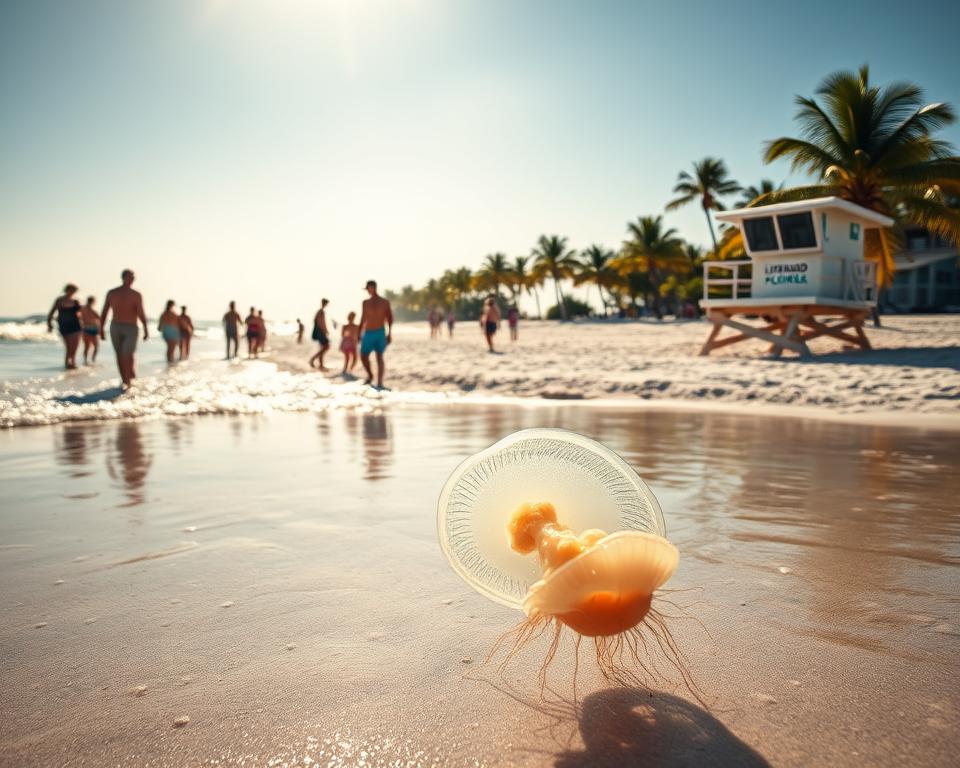
Make a quick shoreline walk part of your routine. Stranded jellies on the sand often mean more are drifting in the surf.
Keep kids within arm’s reach, pack a small first‑aid pouch, and ask the lifeguard for local conditions for a safe miami swim.
Key Takeaways
- Scan lifeguard stands and posted signs before entering the water.
- Expect higher activity from May through October, peaking late summer.
- Atlantic and Panhandle shores report more sightings than the southern Gulf.
- Beached jellies signal increased numbers in nearshore waters.
- Keep kids close and carry a compact first‑aid kit for jelly care.
Smart ways to avoid jellyfish before you enter the water
A quick pre-swim check keeps risk low. Start at the lifeguard tower and read posted signs for recent sightings and any treated stings that morning.
Walk the high‑tide line. Fresh, stranded creatures mean more may be drifting in shallow surf. That simple step gets immediate attention and helps you pick a safer spot.
- Check the lifeguard board first; it lists recent sightings and local notes.
- Learn the flag system: a purple flag signals dangerous marine life and calls for caution.
- Ask a lifeguard what the flag indicates that day and where concentrations were seen.
- Watch wind and currents; onshore breezes and eddies near jetties push critters shoreward.
- Use county beach apps for real‑time updates—many miami visitors rely on them on busy weekends.
| Action | Why it matters | Quick tip |
|---|---|---|
| Scan lifeguard tower | Shows recent sightings and treatments | Ask one question for local hotspots |
| Walk high‑tide line | Reveals stranded animals | Adjust swim plan if seen |
| Monitor wind & currents | Predicts nearshore movement | Prefer offshore breezes for calmer waters |
Jellyfish season and when risk is higher in Florida
Jellyfish season runs highest from May through October. Numbers build as warm waters boost plankton. Peak weeks arrive in late summer, most often August and September.
Miami sees increased sightings from late spring to early fall. Reports also spike after storms when currents shift. Short swims are safer during these peak periods.
- May–October: elevated counts along most coastlines.
- Late summer peak: hot, calm days often mean more stingers.
- After storms: wait a day or two before returning to the water.
| Period | Typical trend | Practical tip |
|---|---|---|
| May–June | Numbers rise as temperatures climb | Check lifeguard notes and plan short swims |
| July–September | Peak activity, especially August–September | Prefer lifeguarded beaches with daily updates |
| October | Counts taper but can persist | Recheck conditions after tide or wind changes |
Know what’s in the water: common jellyfish and lookalikes you may encounter
A quick look into nearshore water can reveal several common stingers. Learn basic shapes and colors so you spot risks fast and make better choices at the shore.
Portuguese man‑o’‑war: bright blue float with a visible sail. Its long tentacles can trail many yards and cause severe pain. Give the man war a wide berth on both water and sand.
Box jellyfish (Chiropsalmus quadrumanus): nearly transparent, with thin tentacles up to about 13 ft. Stings can be painful and may affect breathing or heart rate. Seek medical care for any chest tightness after a sting.
- Atlantic sea nettle: brown‑striped bell; causes a short, painful rash.
- Cannonball: firm dome; stinging cells on the body can still burn even when washed up.
- Moon jellyfish: flat 8–12″ bell; irritation is generally mild but touch can linger.
| Species | Visual cue | Risk | Action |
|---|---|---|---|
| Portuguese man war | Blue sail at surface | Severe pain from long tentacles | Give wide berth; don’t touch float or tentacles |
| Box jellyfish (Chiropsalmus) | Nearly transparent; thin tentacles | Painful sting; possible cardiac effects | Exit water and seek urgent care for chest symptoms |
| Atlantic sea nettle / Cannonball | Brown‑striped bell / round dome | Painful rash or burning on contact | Avoid handling, even if washed ashore |
| Moon jellyfish | Translucent, flat bell | Usually mild irritation | Do not touch; teach kids recognition |
Protective habits and gear that reduce stings
A few smart habits and the right kit make time in the sea much safer. Gear cuts exposed skin and lowers the chance of painful contact.
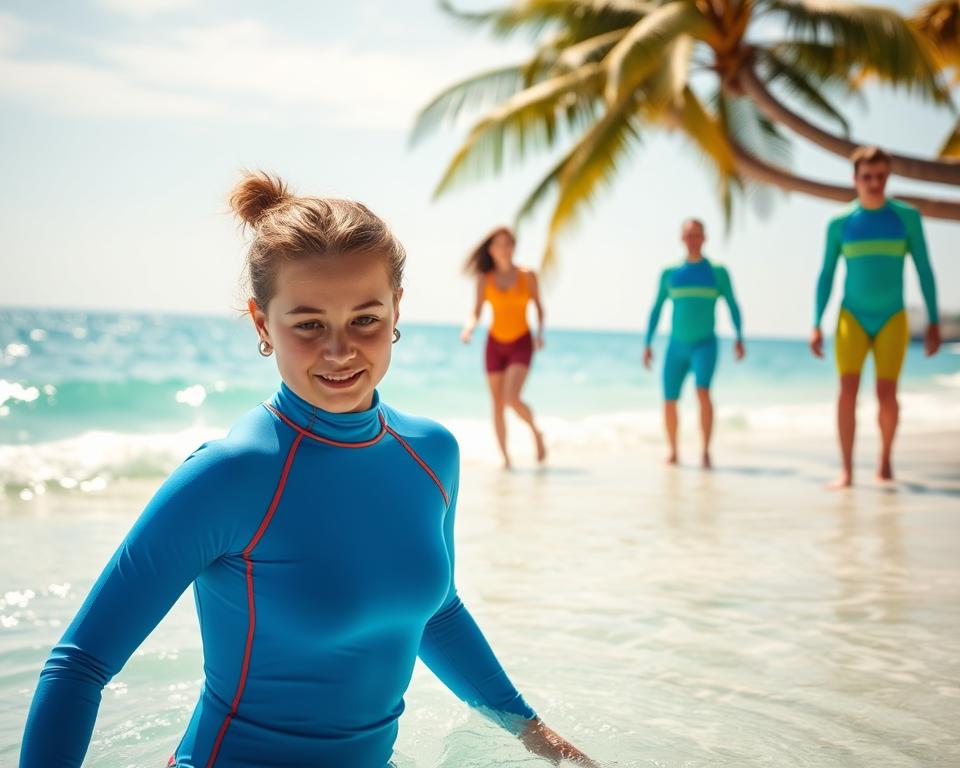
Wear full coverage. Choose a snug rash guard or full‑coverage swimwear so less skin meets stingers. Add water shoes so your feet stay safe from washed‑up animals and hidden fragments on the sand.
- Skip long swims after storms. Shifting currents and wind push more critters close to shore.
- Stick to lifeguarded water. Towers track sightings and carry first‑aid supplies for prompt help.
- Pick entry points away from inlets and jetties. Those spots concentrate floating creatures when currents run hard.
Sea lice season (April–August): change out of your suit immediately after a swim and shower with freshwater. Do not shower while still wearing a wet suit — embedded stinging cells can fire against your skin.
| Action | When | Benefit | Quick tip |
|---|---|---|---|
| Rash guard or full suit | Every swim | Reduces direct skin contact | Choose snug fit and UPF fabric |
| Water shoes | Shoreline & sand | Protects feet from washed‑up parts | Use sturdy soles, rinse after use |
| Change & freshwater shower | After sea swims, especially Apr–Aug | Removes larvae and reduces irritation | Wash suits with detergent; dry on high heat |
| Carry basic first aid | Every beach visit | Reduce pain and itch quickly | Pack antihistamine, hydrocortisone, calamine |
How to avoid jellyfish in florida beaches when you can’t fully steer clear
If a sting happens while you’re in the surf, quick, calm actions cut risk and ease pain fast.
Immediate steps — get out of the water right away to limit further stings. Stay seated and check the wound before moving.
- Flood with vinegar: Pour vinegar over the area for at least 30 seconds to neutralize firing cells. Do not rinse with fresh water; that can make venom release worse.
- Remove tentacles: Use tweezers to pluck visible tentacles. For tiny pieces, scrape gently with a rigid card; avoid rubbing sand on the skin.
- Hot-water soak: Immerse or pour hot (tolerable) water for 20–45 minutes to reduce pain and muscle spasm.
Myths and firm “don’ts”
- Don’t use urine or alcohol; they increase pain and may spread venom.
- Don’t rub or scrub; friction makes stings worse.
- Avoid fresh water rinse until tentacles are removed and vinegar applied.
Severe symptoms and child safety
Watch for trouble breathing, chest tightness, fainting, vomiting, or rapidly spreading rash. These symptoms need urgent care.
Assume higher risk when tentacles still cover large skin areas or when small children get multiple stings. Call 911 for severe pain, trouble breathing, or altered consciousness.
Beach kit: what I pack
Essentials: vinegar, tweezers, a rigid credit card, antihistamine tablets and cream, bandages. Add a small towel and a manual for emergency contacts at your flagged lifeguard tower.
| Item | Primary use | Quick tip |
|---|---|---|
| Vinegar | Neutralize firing cells | Keep a sealed bottle in a dry pouch |
| Tweezers | Remove tentacles | Use blunt-tip metal tweezers for safety |
| Rigid card | Scrape tiny fragments | Carry a laminated card in kit |
| Hot-water source | Reduce pain | Thermos with hot water or access at lifeguard stand |
Conclusion
Plan simple checks before you head out. Scan posted signs and ask the lifeguard what the flag indicates that day. Short shoreline walks reveal recent strandings and shifts in surf that matter.
Remember that jellyfish season peaks when warm waters rise and after storms. Choose guarded beach entry points, wear coverage, and keep a compact sting kit on hand for quick action.
If a jellyfish sting happens, pour vinegar, remove visible tentacles, and use hot water for pain relief. Seek help fast if symptoms worsen. With a few steady habits, you can enjoy the sea and protect your day at the beach.
FAQ
What signs should you check before entering the water?
What does a purple flag at the beach indicate?
How do wind and currents affect marine creatures near shore?
When is the season with higher risk from stinging sea life in Florida?
Is the season different around Miami?
Which large blue species should swimmers watch for?
Are box jellyfish a serious threat here?
What about Atlantic sea nettles and cannonball jellies?
Do moon jellyfish pose a big risk?
What swimwear and gear reduce sting risk?
Should you swim after storms?
What is sea lice and when is it common?
What should you do immediately after getting stung?
What should you never do after a sting?
When are stings considered severe and needing emergency care?
What items should I pack in a beach first‑aid kit?
Can dead specimens still sting?
How can lifeguarded zones help reduce risk?
Are there preventative creams or repellents that work?
How should parents prepare for young swimmers?


