
 0
0
 0
0 The phrase florida bat species identification might sound technical, but a warm evening and a darting silhouette make the idea immediate and simple.
Walk to a pond at dusk and you’ll see shiny wings and hear quick, buzzing clicks as these nocturnal mammals hunt insects. That sensory mix — cool air, soft wingbeats, and the scent of water — is where learning begins.
Here you’ll get clear, usable cues: where bats roost, when pups hatch in spring, and what to look for from the ground. I’ll point out practical signs like guano under eaves, typical roosts in trees and houses, and how echolocation patterns hint at groups without handling animals.
Key Takeaways
- Most activity happens at dusk and dawn; watch over water and open fields.
- All local bats eat flying insects and provide natural pest control.
- Roost clues — guano, flight paths, and shelter type — narrow likely groups fast.
- Breeding runs mid-April to July; avoid disturbing roosts then.
- UF bat houses show large emergences and give safe viewing opportunities.
What to look for when identifying Florida bats
Begin with simple observations — shape in the sky, flight height, and nearby roosts — to sort common flyers fast.
Key traits in flight and at roost
Silhouette and tail: Watch the tail relative to the tail membrane; a tail that extends past the membrane often signals a free-tailed group.
Flight style: Narrow-winged flyers move fast and high. Broader wings mean slower, agile turns over water and edges.
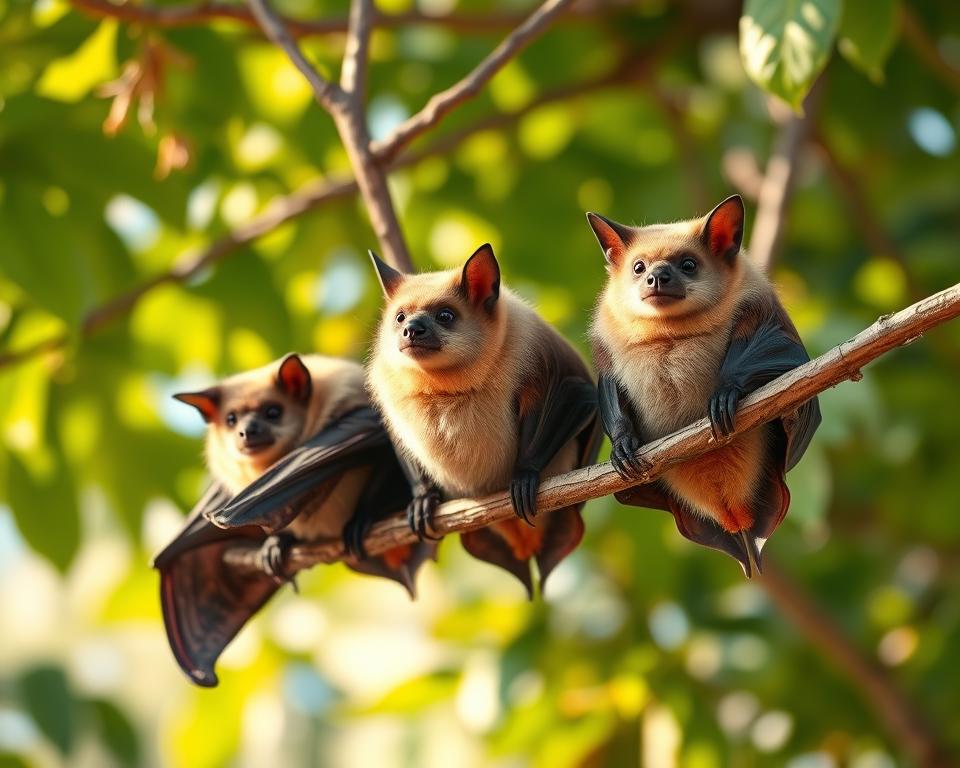
Feet and posture: At rest they hang upside down, gripping with specialized feet. From a distance, folded wings and curled posture are telling clues.
Florida habitats and common roosting sites
- Check under eaves, tile roofs, bridges, and culverts for guano before approaching.
- Scan trees, palm fronds, and curtains of spanish moss and moss for small day roosts.
- Large structures and old buildings often host colonies; bat houses and bridges can hold dozens.
- All native mammals here eat flying insects — use feeding area (over water, fields, or streetlights) as a hint.
Field safety: Observe from a respectful distance, never handle wild animals, and avoid sealing entry points during maternity season.
Most common bats you’ll see in Florida and how to tell them apart
You don’t need to handle animals to separate the usual nighttime flyers. Watch tail length, wing shape, flight height, and where they roost.
Key field marks
- Brazilian free-tailed: tail tip extends well past the membrane, narrow wings, very fast and high flight, musky odor near large colonies in buildings and under bridges.
- Evening bats: dark brown body with black wings and ears; small nursery groups in hollow trees, loose bark, or attics.
- Southeastern myotis: woolly-brown fur, broad wings and slow agile flight; often raise twins in caves, bridges, or drains.
- Tree-roosters: eastern red and Seminole hide like curled leaves in spanish moss; northern yellow prefers palm fronds near coasts.
| Common Name | Visible Trait | Usual Roost | When Seen |
|---|---|---|---|
| Brazilian free-tailed | Tail past membrane, narrow wings | Buildings, bridges | High, fast at night |
| Evening bat | Dark body, black ears | Hollow trees, attics | Early evening |
| Southeastern myotis | Woolly fur, broad wings | Caves, bridges, drains | Low, acrobatic over water |
| Tree-roosters (red / Seminole / yellow) | Leaf-like posture, hide in moss/palms | Trees, Spanish moss, palm skirts | Rest by day, forage at night |
Less common visitors include tricolored, big brown, hoary, and Rafinesque’s big-eared. Protected animals like the Florida bonneted and gray bat need quiet observation from a distance—never shine lights into maternity roosts or try to handle pups.
How to practice florida bat species identification in the field
Start tonight by picking a nearby bridge, pond edge, or roofline and watching the sky for moving shapes.
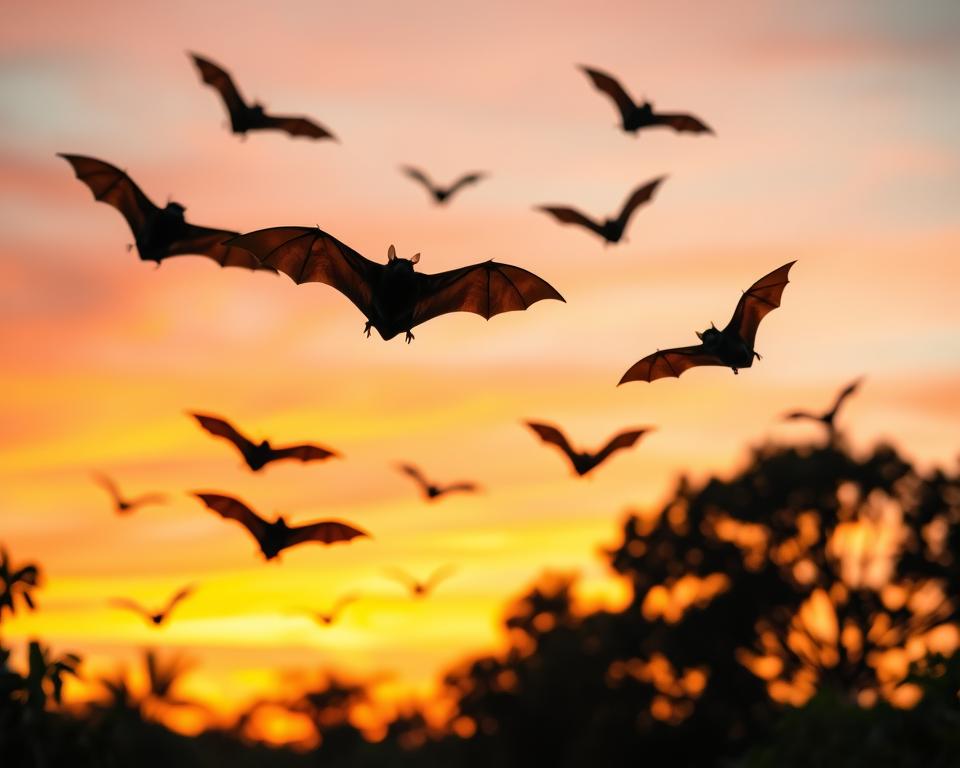
Best times and places: Go out about 15 minutes before sunset and stay 45 minutes after. Check again just before dawn. Bridges, building eaves, older tile roofs, and well-sited bat houses are the most productive sites.
Behavioral cues to watch
Note flight height and style. Fast, narrow-winged flyers cruise higher over open lots. Broader wings turn tightly 20–50 feet above water and edges.
Listen and look for colony signs from a distance: fresh guano, stained entry points, and steady evening traffic. Do not tap or block cavities.
- Bring binoculars, a red-filtered flashlight, a notebook, and a beginner ultrasonic detector to hear echolocation.
- Log time, weather, roost type, estimated numbers, and behavior to learn which species use your area.
- Respect maternity season (mid-April to July). Never disturb mothers or a pup; postpone repairs until young fly.
Safety and legality: Stay off private property without permission, keep pets leashed, and do not handle grounded animals. UF bat houses offer safe public viewing of large emergences and a great way to practice.
Conclusion
Conclusion
Small, regular watches help you turn quick sightings into clear patterns. Note flight height, tail shape, and the structure where animals leave guano. Over time, a free-tailed bat’s high, fast passes stand out from a broader-winged myotis over water.
Remember: neighborhoods, parks, bridges, and older buildings all matter. UF bat houses give safe, public views and make learning easier. Births peak mid-April through July each year, so plan repairs around that window and leave colonies to raise young.
Enjoy the nights. Log what you see, respect roosts, and let steady observation teach you how these creatures control moths and mosquitoes while sharing trees and structures with us.
FAQ
What are the most common bat types you might spot in Florida?
What visual signs help tell these animals apart in flight?
Where do these mammals usually roost?
When is the best time to observe them safely?
How can I use behavior to help identify groups in the field?
Are any of these animals protected and what should I do if I find one?
Do they help control pests like mosquitoes and moths?
Can I encourage them to live near my home with bat houses?
How do I recognize a maternity colony or pups?
What safety steps should I take if a grounded individual is inside my home?


