
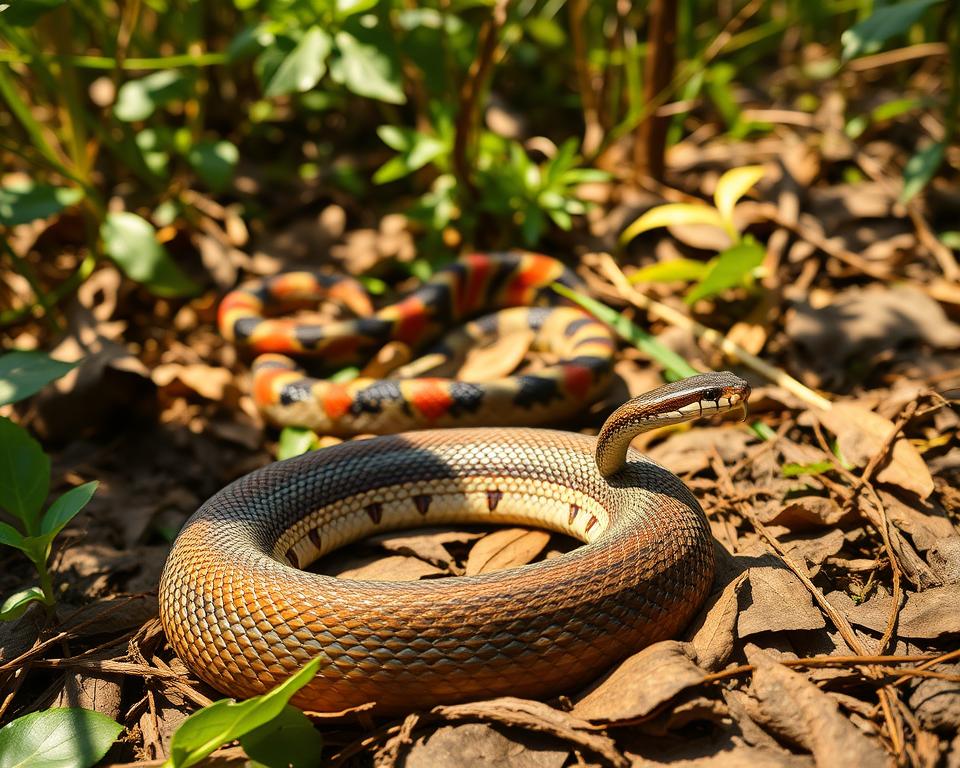
 0
0
 0
0 The warm sun on a trail, a rustle in the grass and a quick glance might be all you get when a snake crosses your path. Learn clear, calm steps you can use right away to judge risk without closing distance or putting pets at risk.
Florida hosts 44 snake species, and only six carry dangerous bites: coral, copperhead, cottonmouth, eastern diamondback rattler, timber rattler (north), and dusky pygmy rattler. Most encounters are with harmless animals that eat rodents and keep yards tidy.
When you spot one, focus on broad cues you can see from a safe distance: body shape, head outline, habitat, and any warning buzz from a rattlesnake. Never try to handle or trap a creature; giving space is the safest move for you and your dog.
Key Takeaways
- Keep calm and assess from a distance; avoid sudden moves.
- Only six of Florida’s 44 species are dangerous; most are beneficial.
- Watch habitat: water edges, brush piles, and trail edges are common areas.
- Listen for a rattle; it often warns before a sighting.
- Treat any bite seriously and seek prompt medical care.
How to Identify Venomous Snakes in Florida
A quick glance from a safe spot can tell you more than a close approach ever will. Stay still. Back away slowly if the animal notices you.
Use multiple cues together. Look at head shape, body build, and any tail sound. Do not rely on color alone. If you hear a rattle, increase distance and avoid confirming the exact name.
- Keep your distance first, then observe without moving closer.
- Note head outline: broad and triangular suggests a pit viper; slender heads often mean non-pit types.
- Check the eyes only from afar; pit vipers usually have elliptical pupils and pits near the nostrils.
- Keep pets on short leashes and call a pro for removal in living areas.
| Feature | Pit-viper Traits | Other common snakes |
|---|---|---|
| Head | Broad, triangular | More slender |
| Pupil | Elliptical | Round |
| Warning | Rattle or defensive coil | Escape or bluff displays |
| Risk action | Back away; call pros | Observe and avoid |
Venomous snake species in Florida and the key traits to recognize them
A few visible clues from a safe distance can help you narrow which species you’re seeing. Focus on bands, body shape, mouth displays, eyes, and the presence of a rattle.
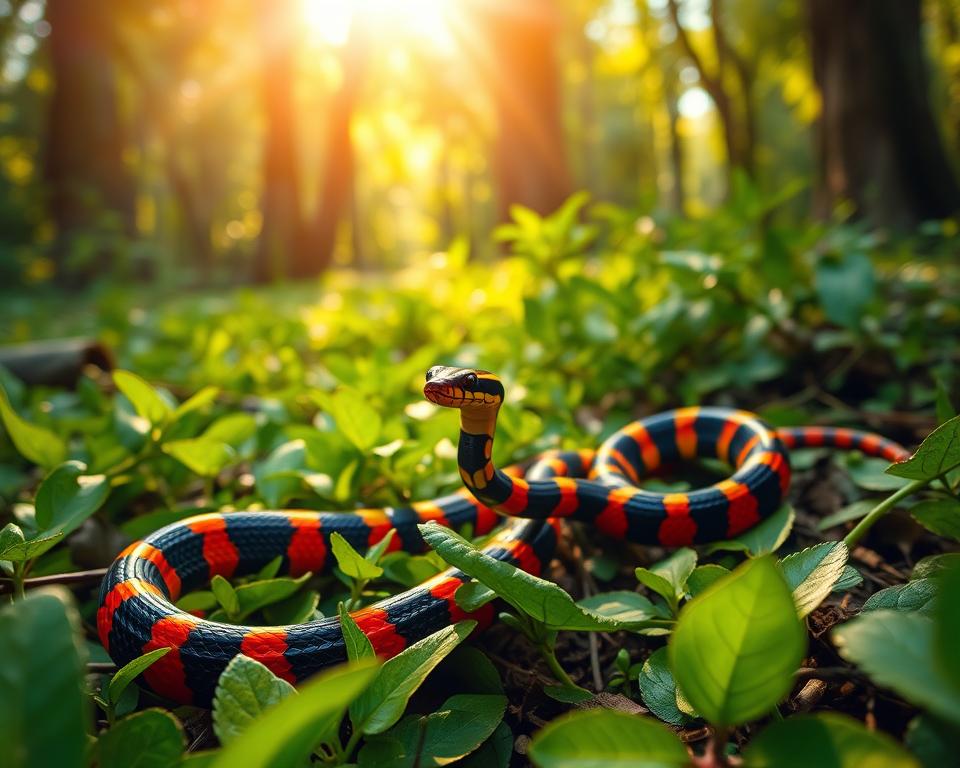
Coral snakes
Look for red bands touching yellow on a slender body. Eastern coral have smooth scales, small heads, and potent neurotoxic venom. Remember the quick band order rule when viewing from afar.
Cottonmouths (water moccasins)
Stocky, semi-aquatic snakes that often sit near water areas. A gaping white mouth display is a classic defensive sign. Color ranges from olive to very dark; juveniles may show a bright tail tip.
Rattlesnakes and pygmy types
Florida hosts eastern diamondback, timber rattlesnake (north), and dusky pygmy rattlesnake. All can buzz with a rattle. The diamondback can reach six feet and shows bold diamond patterns.
Copperheads
Southern copperhead has a copper-toned head and hourglass side patterns. Copper-colored eyes and a tendency to hold ground are useful field cues.
| Species | Key trait | Typical area |
|---|---|---|
| Coral snake | Red touches yellow bands | Wooded, sandy areas |
| Cottonmouth | Gapes white mouth | Water edges |
| Diamondback / Timber / Pygmy | Rattle; pattern & size vary | Dry forests, north areas, marsh edges |
Field markers that distinguish venomous from non-venomous snakes
Spotting a snake on a trail often leaves only a few clear clues you can use from where you stand. Use several small cues together rather than trusting a single sign.
Head, eyes, and pits
Head shape is helpful at a glance: many vipers have a broad, triangular head and a narrow neck, while harmless types often look slimmer. Do not step closer just to check.
Eyes and pupil shape can support an ID when visible: pit vipers usually show elliptical pupils. Lighting can trick you, so use this only as supporting evidence.
Look for a small pit between the nostril and the eye on pit vipers. If you can see this from a safe distance, it is a reliable marker.
Rattle and tail behavior
The distinct rattle of a rattlesnake warns before many encounters. If you hear it, freeze, locate the animal without moving forward, and back away slowly.
Note tail vibration too. Some harmless snakes mimic a rattle by vibrating in dry leaves. Confirm by sight from a safe distance when possible.
Color patterns and band order
Use bands and pattern cautiously. Colors fade and vary with age or mud. Let color be one clue among several.
For coral lookalikes, remember band order: red touching yellow indicates a coral snake; red touching black points toward a scarlet kingsnake or similar mimic.
| Feature | Typical vipers | Common non-vipers |
|---|---|---|
| Head | Broad, triangular | Slimmer, tapering |
| Pupil / eye | Elliptical | Round |
| Tail | Rattle or strong vibration | Escape flicks or bluff displays |
| Bands / pattern | Useful with other clues | Often similar; use band order for coral cues |
Final tip: Combine head, eye, pit, tail, and pattern clues. If you are unsure, step back and let a trained professional handle identification. Your safety and the animal’s well-being come first.
Habitats, behaviors, and safe responses during encounters
Look carefully around logs, puddles, and palmetto clumps; that’s where encounters commonly begin.
Where you’ll see them and how behavior varies
Expect cottonmouths near water edges, canals, ponds, and swampy areas. A cottonmouth or water moccasin may hold its ground and gape its white mouth if cornered.
In pine forests, scrub, and palmetto flats you can find an eastern diamondback or a timber rattlesnake up north. These have stout bodies and bold pattern, and an eastern diamondback can strike several feet forward—sometimes near six feet.
Dusky pygmy rattlesnakes are short and widespread. Their tiny rattle is often quiet, so don’t rely on sound alone.
Immediate actions if you’re close or a bite occurs
- Freeze and step back slowly if a coiled rattlesnake is within a few feet.
- On trails, scan two to three feet ahead of your next step and hand placement.
- Keep dogs within a few feet on a short leash in snake-friendly areas.
- If a bite happens, stay calm, limit movement, remove tight items, and call 911. Treat all snake bites as medical emergencies.
- Do not cut, suck, apply ice, or use a tourniquet; these actions can worsen venom damage.
| Habitat | Common behavior | Best response |
|---|---|---|
| Water edges, ponds | May hold ground; gape mouth (cottonmouths) | Give wide berth; keep pets near |
| Pine flats, scrub | Stout bodies; visible patterns (diamondback, timber) | Back away several feet; do not disturb |
| Flatwoods, marsh edges | Small, quiet pygmy rattlesnake; low rattle | Watch your step; retreat slowly if seen |
Conclusion
A steady pause and a careful look give you the best chance to stay safe.
Keep your distance and use a few clear markers: head shape, pits, a rattle, and band order on coral snakes. The eastern diamondback, timber rattlesnake in the north, dusky pygmy, cottonmouths and copperhead are the local species to watch.
If you can’t be sure whether a snake is venomous, assume risk, add a few extra feet, and call a trained pro. Treat any bite as serious: get help quickly and keep the victim still.
Give snakes space, watch your step, keep pets close, and combine cues—eyes, pattern, rattle and behavior—so you can enjoy trails and yards with confidence.
FAQ
What should I do first if I spot a snake nearby?
When should I treat a snake as dangerous?
Can I rely on color alone to tell a dangerous snake from a harmless one?
How can I recognize an eastern coral snake?
What are signs of a cottonmouth (water moccasin)?
How do I spot rattlesnakes common in Florida?
What should I know about the southern copperhead in Florida?
What head and eye features indicate a pit viper?
How reliable is a rattling tail as a warning?
How can I tell a coral snake from a scarlet kingsnake?
Where are snakes most likely to be found around homes or parks?
What should I do if a snake bites me or someone else?
Are small or non-rattling snakes harmless?
How can I reduce snake encounters on my property?
Can I remove a snake myself with tools or DIY methods?


