
 0
0
 0
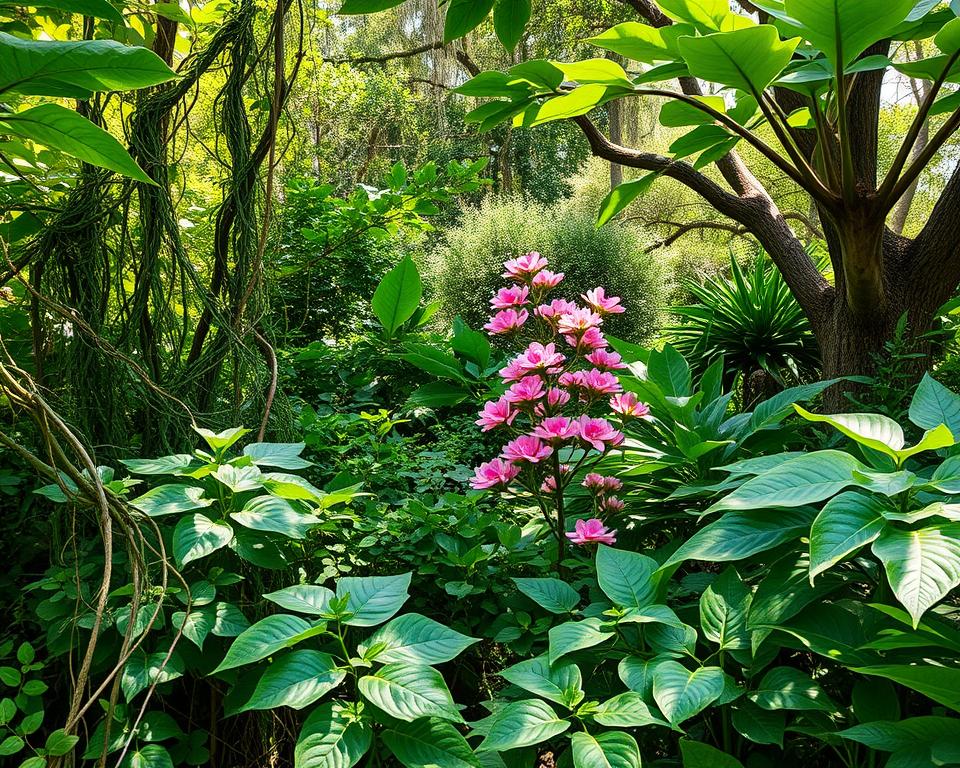
0 florida invasive plant species list can feel overwhelming when you spot a fast-spreading vine strangling a backyard tree or a mat of green clogging a pond.
I’ve walked neighborhood preserves and seen how quickly non-native species crowd out familiar flowers and fruiting shrubs, and I want to help you spot trouble early.
In clear, practical steps you’ll learn what “invasive” means here, which growth forms to watch for, and simple actions to remove, report, or monitor a find.
Expect short ID cues for vines, ferns, trees, grasses, and aquatics, plus guidance on prioritizing Category I versus Category II threats.
Use this guide as a quick field companion: scan groups, match a few key traits, then decide whether to act or call for help.
Key Takeaways
- Understand why these non-native species spread fast and alter habitats.
- Scan by growth form to quickly narrow down likely offenders.
- Prioritize removals for Category I names that change communities.
- Use quick ID cues to decide remove, monitor, or report.
- Learn how invasives affect storm damage, wildfire risk, and wildlife habitat.
What makes a plant invasive in Florida and why it matters
Many non-native arrivals spread quietly at first, then suddenly dominate yards, wetlands, and streetscapes.
An invasive plant species here is a non-native that spreads aggressively and causes economic, environmental, or health harm. In plain terms: if it crowds out native flowers, changes wildlife habitat, blocks waterways, or raises maintenance costs, treat it as a priority.
Invasive versus exotic in local landscapes
Exotic simply means non-native. Many exotics stay put in gardens and do no harm. Bird-of-paradise is a common example that rarely escapes managed plantings.
In contrast, an invasive spreads beyond plantings and alters nearby communities. That spread is the key difference.
How Category I and Category II differ
The state’s plant council classifies problem plants so managers know where to focus efforts.
- Category I: Documented to change native communities (examples: air-potato vine, melaleuca tree). These are top removal targets.
- Category II: Increasing in abundance but not yet shown to change communities (examples: balsam-apple, coconut palm). Watch these closely.
Knowing a plant’s category and behavior guides your next move. Prioritize Category I removals near conservation lands, waterways, and evacuation routes where a tall, brittle tree can pose hazards.
Florida invasive plant species list: how to identify the most common culprits
A quick ID toolkit helps you spot common offenders fast. Look for growth form, leaf shape, fruit, and how a specimen spreads. Use habitat clues—upland, wetland, yard, or shore—to narrow suspects.
Vines and ferns to watch
- Air-potato (I): twining vine, heart-shaped leaves, potato-like bulbils in leaf axils — bag bulbils for disposal.
- Old World climbing fern / Japanese climbing fern (I): fronds climb trees and crowns; spores spread by wind — flag early patches.
- Skunkvine (I): opposite leaves, foul odor when crushed; catclaw vine (I): hooked tendrils that snag trunks.
Trees, grasses, and aquatic offenders
- Trees/shrubs: Brazilian pepper and melaleuca form dense thickets; look for red berries or papery bark.
- Grasses: cogongrass has a whitish midrib and sharp leaves; torpedograss spreads by rhizomes along shorelines.
- Aquatics: hydrilla makes dense underwater mats; water‑lettuce floats in rosettes; water‑hyacinth has bulbous petioles and purple blooms.
Spot, prioritize, and manage invasive plants in your Florida landscape
Start by scanning uplands, wetlands, and coastal edges. A short walk gives the clues you need to act fast.
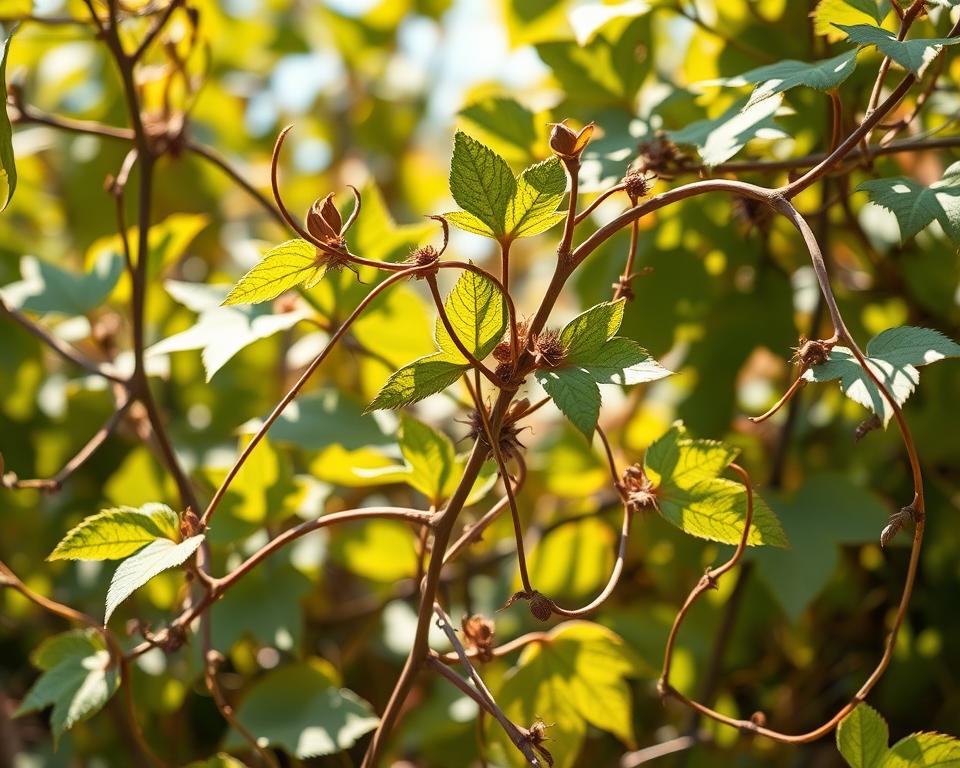
Fast field cues by habitat: uplands, wetlands, and coastal areas
- Uplands: cogongrass shows a off-center midrib and fluffy seedheads; Brazilian pepper forms dense red-berried thickets; coral ardisia drops red berry clusters under shade.
- Wetlands and water edges: look for torpedograss rhizomes in shoreline mats; hydrilla has submerged whorled leaves and fragments break off easily; water‑hyacinth and water‑lettuce float in thick mats.
- Coastal: spot Australian‑pine rows on dunes, beach naupaka with white fruit, and beach vitex runners that colonize open sand.
Removal and control basics aligned with Florida practice
- Prioritize Category I targets near conservation land and water.
- Bag fruit, bulbils, and seed heads; don’t compost reproductive material.
- For vines and fern thickets (including climbing fern), cut at waist height, treat stumps, then remove resprouts.
- Hand‑pull seedlings after rain and dig out small root crowns.
- Avoid fragmenting aquatic growth; keep cut pieces out of canals and ponds.
Report sightings with IveGot1, EDDMapS, and your local CISMA
If you can’t remove a patch, document it. Use the IveGot1 app to capture GPS and photos. Then add the observation to EDDMapS and contact your local CISMA for coordinated removal help.
| Habitat | Quick ID cue | Immediate action |
|---|---|---|
| Uplands | Off‑center midrib, red berries, dense thickets | Bag seed sources; remove small crowns; cut and paint woody stumps |
| Wetlands / Water | Submerged whorls, rhizomes, floating mats | Prevent fragments entering water; hand‑pull where safe; double‑bag for disposal |
| Coastal | Rows on dunes, white fruit, creeping runners | Flag and remove runners; protect dune vegetation; consult CISMA for large stands |
Conclusion
A focused approach turns a confusing problem into a manageable task. Start by using the plant council categories to target Category I offenders first. Prioritize removals near wetlands, parks, and high‑use corridors.
Act early on fast spreaders like Old World climbing fern, air‑potato, Brazilian pepper, melaleuca, and beach naupaka. A single tree or vine that is seeding into wild areas deserves urgent attention.
Replace removals with native replacements and follow up regularly. If you’re unsure, snap photos and report through IveGot1, then check EDDMapS and connect with your local CISMA for support.
With steady, informed action your choices at home help nearby parks, waterways, and wildlife stay resilient. Keep this guide handy and act where it counts.
FAQ
What common invasive plant species should I watch for in my area?
How do I tell an invasive plant from a non-native ornamental?
What’s the difference between “invasive” and “exotic”?
What are Category I and Category II designations and why do they matter?
Which vines and ferns are most problematic and how can I ID them?
What are the best quick cues to spot invaders in uplands, wetlands, and coastal zones?
How should I remove or control an invasive tree or shrub safely?
What are safe control options for aquatic invaders like hydrilla or water hyacinth?
How can I prioritize which infestations to tackle on my property?
When should I report a sighting and where do I send reports?
Can I plant alternatives that won’t escape into wildlands?
Are there legal restrictions on owning or selling certain invasive taxa?
How can I safely dispose of removed invasive material?
Where can I get help identifying a suspicious vine, fern, or tree?


