
 0
0
 0
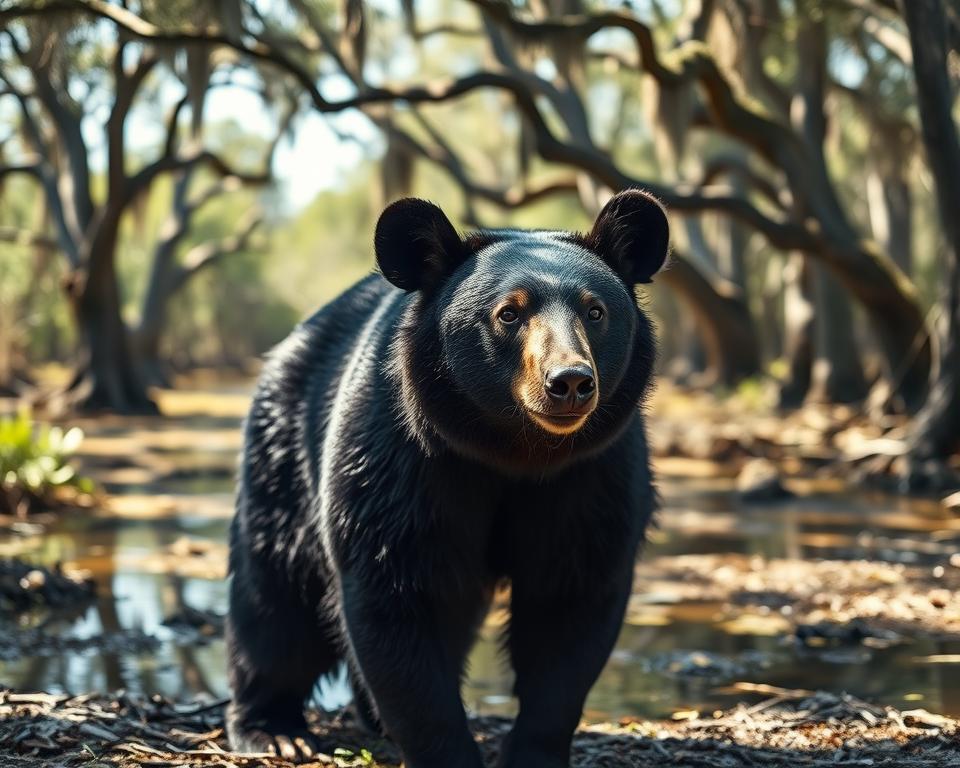
0 When asking what to do if you see a bear in florida, start by staying upright and calm. Speak in a low, steady voice so the animal tracks you as a person and not a threat.
Assess distance, then back away slowly while keeping a clear escape route open for both of you. Do not run, climb, or play dead; these moves raise risk and confuse the animal.
Florida hosts only the Florida black bear, and encounters can occur near homes and trails from the Panhandle to Big Cypress. Keep pets leashed, avoid direct eye contact, and be ready to stand ground briefly if the animal approaches.
If the animal shows threatening behavior or causes property damage, report it to the FWC Wildlife Alert Hotline at 888-404-3922. This information helps protect people and bears alike.
Key Takeaways
- Stay upright, calm, and speak softly to identify yourself as a person.
- Back away slowly while keeping an open escape route for both.
- Do not run, climb trees, or play dead with the Florida black bear.
- Keep pets leashed and avoid direct eye contact during an encounter bear moment.
- Report threats or property damage to FWC at 888-404-3922.
What to do if you see a bear in Florida
Hold your position, speak softly, and begin a slow retreat with a clear escape route. Remain upright and keep your hands visible. Brief eye contact is okay, but avoid a hard stare.
Stay calm and back away slowly
- Face the bear and back away in steady steps. Keep your path clear.
- If the animal moves closer, stand ground briefly, then back away slowly.
- Never run. Bears can sprint and may chase fast movers.
What not to try
- Do not play dead with a black bear.
- Do not climb tree — black bears climb faster than most people.
- Avoid direct eye contact; intense glare can seem like a challenge.
| Action | Why | When |
|---|---|---|
| Back away slowly | Prevents chase and gives the animal room | Any encounter on trail or yard |
| Hold ground briefly | Shows you are not prey during bluff charge | If bear steps toward you |
| Use loud noises | Encourages the animal to leave once a clear escape exists | Bear in yard or near structures |
| Fight back if contact occurs | Black bear attacks respond to active defense | If the black bear makes contact |
Know Florida’s black bears and their behavior
Florida hosts a single native black bear species. Estimated statewide numbers are about 4,050. Populations live across seven subpopulations, including Eglin Air Force Base, Ocala National Forest, and Big Cypress. Expect them near forest edges, wetlands, and developed area with food sources.

Signs and signals
Black bears warn before conflict. Listen for huffs, teeth clacking, moans, and pawing the ground. Bluff charges often follow those cues. Truly predatory animals may move silently and directly. Use your eye for context: cubs, garbage, or a carcass explain defensive posture.
Speed, climbing, and safety
Bears can run about 35 mph and climb 100 feet in roughly 30 seconds. Do not run or climb a tree. Old advice to play dead with black bears is outdated; stay upright and create space.
| Topic | What it means | Action |
|---|---|---|
| Vocalizations | Huffing, clacking, moaning | Back away slowly and give room |
| Silent approach | May signal predatory intent | Increase distance and prepare deterrents |
| Range & numbers | ~4,050 across seven subpopulations | Check local fish wildlife information before outings |
| Threats | Habitat loss, fragmentation, vehicle strikes | Support wildlife conservation and safe planning |
Prevent encounters: secure food sources, manage pets, and plan a clear escape route
Preventing encounters starts with removing easy meals from yards and campsites. Small changes at home cut the risk of visits by hungry wildlife.
Garbage, grills, and other attractants
- Keep food smells locked down: use bear-resistant containers and store bins inside until morning pickup.
- Clean and store grills after use so scents do not lure animals.
- Remove bird feeders during active months and pick ripe or fallen fruit right away.
Pets and people
- Feed pets indoors whenever possible. If bowls stay outside, bring them in quickly.
- Walk your dog on a sturdy, nonretractable leash. If you see bear ahead, turn away and increase distance.
- If a bear climbs a tree nearby, clear the area, remove pets, and let it come down on its own.
Outdoor setups and behavior tiers
- Use electric fencing for gardens, compost, backyard chickens, livestock, and apiaries to reduce visits by bears.
- Plan your route at home: keep gates unlocked when outside and keep a visible clear escape path from sheds and yards.
- Learn three behavior tiers: normal (far, natural food), concerning (eating garbage or not startled by loud noises), threatening (approaches people or pets). For concerning or threatening behavior, get safe and call the FWC Wildlife Alert Hotline at 888-404-3922.
| Issue | Preventive step | When | Result |
|---|---|---|---|
| Garbage left out | Secure bins in bear-resistant containers; store inside until pickup | Night and early morning | Reduces yard visits |
| Fruit trees | Pick ripe and clear fallen fruit promptly | Harvest season | Stops repeat visits |
| Outdoor pets fed outside | Feed indoors; remove bowls and water after meals | All year | Less attraction for bears |
| Garden or chickens | Install electric fencing and secure coops | Before bear activity increases | Protects livestock and lowers conflicts |
Florida laws, reporting, and who to contact right now
Know the laws that protect bears and the narrow exceptions that allow force. The Fish and Wildlife agency’s Bear Conservation Rule makes it illegal to take, possess, injure, or kill bears or their parts without proper authorization.
Exceptions exist under common law necessity and the Self Defense Act. A person may use force if they reasonably believe it is needed to prevent imminent death or serious injury to a person or pet, or to avoid major damage to a dwelling.
Immediate steps and legal notifications
- Notify FWC within 24 hours if a bear makes contact and force was used; the agency will take custody of the animal.
- You may not keep or sell any parts; FWC handles disposal to support wildlife conservation and evidence integrity.
- Penalties for unlawful take include fines up to $500 and/or 60 days jail for first offenses; repeat violations raise fines, jail time, and possible license suspension.
- Avoid feeding bears—unsecured food or garbage can trigger enforcement and repeated visits.
| Issue | Legal point | Required action | Contact |
|---|---|---|---|
| Lawful self-defense | Allowed when imminent threat exists | Call FWC within 24 hours and report facts | 888-404-3922 |
| Unlawful take | Fines, jail, license suspension | Do not possess parts; cooperate with investigators | Regional office: 352-732-1225 |
| Attractants | Feeding or unsecured garbage prohibited | Remove food, secure bins, document removal | Use hotline for urgent advice |
Conclusion
Speak calmly, avoid sudden moves, and back off in measured steps so the animal can choose an exit.
Keep hands visible and aim your steps for solid ground. Give a clear escape and skip direct eye contact. Use short noises only from safety, such as inside a car or home, to nudge it away.
If the black bear closes distance or makes contact, fight back and protect the person near you. Never run, play dead, or climb tree in a surprise encounter.
Quick checklist: stay upright; back away slowly; hold ground during a bluff charge; secure food and pets; report threatening behavior at 888-404-3922. These simple habits help people and black bears share space safely.
FAQ
How should I react when encountering a black bear while outdoors?
What actions are dangerous during an encounter?
My neighbor has a bear in their yard. How should I handle it?
The bear is standing on its hind legs. Is it about to attack?
How do I respond to bluff charges or warning signals?
What should I do if a black bear makes contact and attacks?
Which bear species live here and where are they found?
What vocalizations or movements indicate different bear intentions?
Why is running or tree climbing a bad idea?
How can I reduce chances of an encounter at home?
What should I do about pets during a bear visit?
What outdoor protections help keep bears away from gardens or livestock?
If a bear is in a tree near my property, how should I react?
How can I judge behavior levels and choose the right response?
When is force lawful under Florida rules and what must I report?
Who should I contact for immediate help with bear conflicts?


